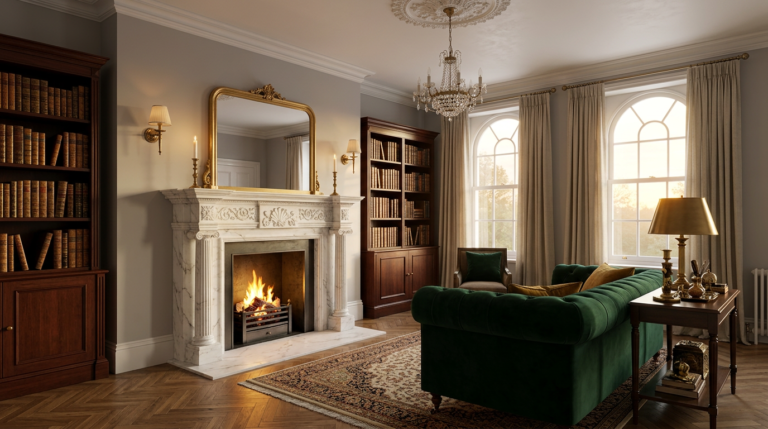

Start by defining your color story: pick a dominant hue for walls or big furniture, then choose supportive accents and lighting that warm the space. Design scalable furniture that adapts to changing needs, favoring multi-functional, modular pieces with durable finishes. Brighten small rooms with layered light, sheer window treatments, and mirrors to expand space. Try quick decor hacks like cohesive art grids and rotating textiles. Establish daily rituals to keep spaces cozy and personalized; more tips await if you keep exploring.
Key Takeaways
- Define your color story with a dominant hue, complementary accents, and testing under different lighting for cohesive mood.
- Choose scalable, multi-functional furniture with durable finishes and modular options to adapt as needs change.
- Brighten small rooms by layering natural and artificial light, using sheer treatments, mirrors, and light ceilings.
- Use fast, low-cost decor hacks like cohesive art grids, DIY wall decor, and rotating textiles to refresh spaces.
- Establish daily and weekly rituals to maintain cozy spaces, including organized spots for keys/remote and rotating seasonal accents.
Define Your Color Story: Create a Cohesive Palette That Reflects Your Home
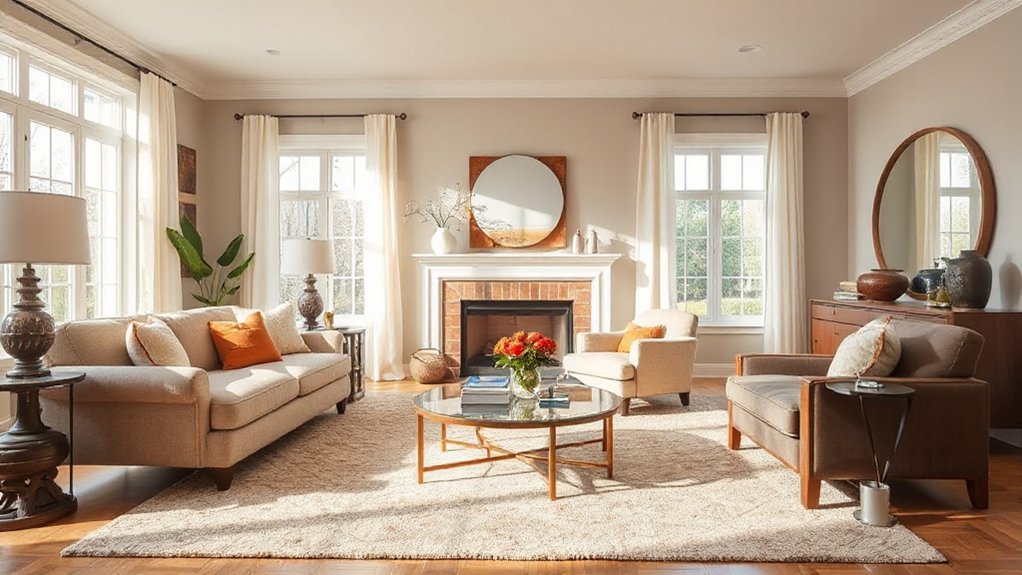
Defining your color story starts with a clear sense of how you want each room to feel. You’ll align tones, textures, and light to form a cohesive whole, not a random mix. Begin with a dominant hue across walls or large furniture, then choose complementary accents to support it. Focus on lighting, as warmth shifts color perception and mood. When you approach color coordination, consider how rooms flow: soft neighbors, bolder anchors, and quiet bridges. Palette selection should reflect your daily life and personality, not trends. Create a practical grid: primary, secondary, and accent colors, with intentional ratios to maintain balance. Document swatches, test them in multiple lighting moments, and refine until every room reads as one connected story.
Designing Scalable Furniture for Today and Tomorrow
Start with a scalable mindset: choose furniture that adapts to changing needs without sacrificing style. You want pieces that earn their keep as your life evolves, not ones you’ll outgrow in a year. Favor multi functional furniture that pulls double duty—sofas with hidden storage, beds with built-in drawers, desks that convert to standing height. Embrace modular design so you can reconfigure rooms without replacing foundations. Measure doorways and ceiling heights, then select components that fit both current spaces and future layouts. Prioritize clean lines, durable finishes, and neutral tones that stay timeless while you swap accessories. Invest in quality joints and soft closures to reduce wear. Plan zones rather than walls, enabling flexible seating, work, and play areas as your needs shift.
Brighten and Expand: Lighting Tricks That Transform Small Rooms
Brighten up small rooms without sacrificing floor space by layering light sources and choosing efficient fixtures. You’ll want a balanced mix of natural light and artificial options that don’t overwhelm the space. Start with sheer window treatments to maximize daylight while preserving privacy, then position a narrow, tall mirror opposite windows to reflect it. Choose ambient lighting to fill shadows without creating glare, and add task lighting where you perform detailed tasks. Use compact LED fixtures and wall sconces to free floor area, and opt for color temps around 2700–3000K for warmth. Dimmer switches give you flexibility without clutter. Finally, keep ceilings light and uncluttered to reflect light upward, expanding perceived height. This approach makes rooms feel larger while preserving function. natural light enhances ambiance; ambient lighting provides consistent coverage.
Fast, Low-Cost Decor Hacks You Can Implement This Weekend

Want fast results without breaking the bank? You can refresh spaces this weekend with clear, budget-minded moves. Start with budget friendly art: swap in affordable prints or frames from thrift shops, arrange them in a cohesive grid, and group sizes for visual balance. Next, pursue DIY wall decor that’s simple and impactful: create a quote board with painted wood slices, or mount fabric panels as an accent wall—no nails required if you use removable adhesive. Swap textiles to transform vibes: a new throw, pillows, or a rug can redefine tone without hauling heavy furniture. Declutter surfaces, then curate a few statement pieces instead of overloading rooms. Finally, optimize lighting—one bright floor lamp or a warm string-light vignette elevates mood instantly.
Daily Rituals and Systems for Cozy, Personalized Spaces
After setting up quick, budget-friendly decor last weekend, you’re ready to weave those small touches into daily life. Establish simple routines that reinforce comfort and flexibility, not rigidity. Your daily organization should center on clear zones, de-cluttered surfaces, and intentional items that spark joy. Use personalized accessories to cue mood and function, balancing aesthetics with practicality. Keep a concise rotation of items you genuinely use, rotate seasonal accents, and store extras out of sight. The goal is consistency, not perfection.
- Create a 10-minute daily reset to tidy surfaces and re-center.
- Designate a dedicated spot for keys, mail, and remote controls.
- Curate a small, meaningful display that evolves with you.
- Schedule a weekly review to refresh colors, textures, and purpose.
Frequently Asked Questions
How Do I Choose Furniture That Fits My Lifestyle and Space?
Jot down how you live and measure every space, then choose furniture that fits. Prioritize function first, then flow. Practice furniture arrangement to create zones, and guarantee color coordination ties rooms together for a cohesive look.
What Budget Etiquette Keeps Interiors Cohesive Without Overdoing It?
Stick to a clear color coordination plan and maintain decor harmony by limiting accent colors to two or three. Set a budget, buy staples first, and piece in pieces gradually to preserve cohesion without clutter or overspending.
How Can I Personalize a Rental Without Permanent Changes?
Start by treating your rental like a blank canvas you can edit: you can personalize without flaw. Use wall decals and removable wallpaper to transform walls, then re-seat furniture. These stick-and-move options keep adaptations practical and reversible.
Which Plants Thrive in Low-Light, High-Traffic Rooms?
In low-light, high-traffic rooms, choose indoor greenery like pothos, ZZ plant, and snake plant; they thrive with minimal care. These low light plants resist busy environments, purify air, and stay resilient while you juggle constant activity.
How Do I Maintain Style Consistency Across Rooms Over Time?
You maintain style consistency by establishing clear color coordination and decor themes, then apply them room to room. Regularly audit finishes, accents, and textures; adjust lighting and accessories as trends shift, staying cohesive while allowing subtle, purposeful updates.
Conclusion
You’ll love how simple it is to fail spectacularly… at planning. Stick to a cohesive color story, and you’ll feel lucky when the rug finally matches your sofa’s vibe. Design scalable furniture so today’s clutter won’t wreck tomorrow’s Insta shots. Light everything, then pretend you didn’t notice the floor plan’s tiny trains wrecking your flow. Do a few cheap hacks, call it a weekend win, and savor the cozy, personalized space you now regret not investing more in upfront. Irony included.
About the Author