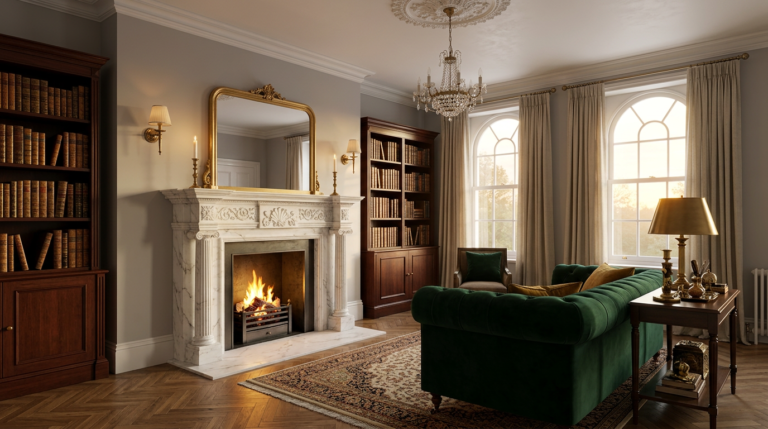

The best home décor trends for modern families center on durability, flexibility, and comfort. Prioritize resilient, easy‑clean surfaces, modular storage, and multifunctional furniture that adapt to changing needs. Choose kid‑ and pet‑friendly textiles with rounded edges and washable finishes, while layering tactile textures for warmth. Use clear zones and vertical storage to keep spaces organized, and favor timeless palettes with removable accents to refresh easily. Embrace sustainable, repairable designs that age gracefully—and you’ll discover more practical strategies ahead.
Key Takeaways
- Family-friendly materials: durable, easy-clean surfaces and washable textiles to handle daily wear, spills, and pets.
- Multifunctional spaces: modular, transformable furniture and clear zones to maximize smaller living areas and active routines.
- Comfort with texture: layered textures, plush rugs, and tactile fabrics in calm, adaptable color palettes.
- Timeless design: classic silhouettes, reusable components, and sustainable materials for longevity and easy updates.
- Eco-conscious practices: durable finishes, repairability, and transparent supply chains from brands supporting sustainable living.
How to Design a Family-Friendly Living Space

A family-friendly living space starts with resilient, easy-to-clean surfaces and smart layouts that keep daily activity flowing smoothly. You choose durable materials for high-traffic zones and simple finishes that wipe clean without glare.
Plan a clear traffic rhythm: kid zones near the center, adult retreat at the edges, and sightlines that maintain supervision without hovering.
Select furniture with rounded edges, sturdy builds, and washable textiles to simplify maintenance.
Integrate nursery inspiration elements thoughtfully—soft color palettes, adaptable storage, and gentle lighting—that scale as your children grow.
Favor pet-friendly decor that withstands claws and fur, using cozy, washable rugs and spill-resistant upholstery.
Finally, optimize storage with modular systems, label everything, and ensure accessible power outlets for devices, charging stations, and family tech without clutter.
Durable, Cozy Textures for Busy Homes
You’ll balance plush, practical fabrics with kid-soft texture mixes that hold up to everyday use.
Prioritize low-maintenance comforts that still feel inviting, so your spaces stay cozy without constant upkeep.
This blend sets the foundation for durable style you can live in.
Plush, Practical Fabrics
Durable, cozy fabrics are the backbone of a busy home, delivering warmth without sacrificing practicality. You choose plush materials that resist daily wear while offering comfort, so families can linger without worry.
Prioritize fabrics that balance softness with resilience: consider luxurious velvet for accents and breathable linen for daily essentials. Velvet delivers a tactile, rich surface that elevates seating without stubborn snag risk; use it sparingly on cushions or a statement chair.
Linen keeps air moving in high-traffic rooms, minimizing heat buildup and simplifying care. Pair textures to create depth—contrast matte weaves with a subtle sheen.
Opt for stain-resistant finishes and easy-care cleaning codes, ensuring longevity. Apply measurements and color anchors to maintain cohesive, functional spaces you’ll actually use.
Kid-Soft Texture Mix
When you’re designing a family-friendly space, prioritize textures that stand up to busy days yet feel welcoming to touch. Kid-soft texture mix blends durability with coziness, guiding you toward fabrics that resist messes while inviting hands to explore. You’ll balance playfulness and calm using deliberate choices, ensuring spaces feel lived-in rather than pristine.
- Choose durable upholstery in tight weaves and stain-resistant finishes.
- Layer with plush, skid-free rugs in playful patterns and soft color palettes.
- Opt for high-loft blankets and cushions that tolerate frequent washing.
- Incorporate textured accents—textured wovens, chenille, and faux fur—for tactile variety.
Low-Maintenance Comforts
Low-maintenance comfort hinges on choosing textures that tolerate daily wear without sacrificing coziness. You’ll want fabrics and surfaces that perform, then feel inviting, so your space stays fresh with minimal effort.
Opt for durable weave textures, like tight knits and brushed linens, that resist pilling and staining while retaining softness. Prioritize eco-friendly materials that align with busy routines and evolving tastes, ensuring long-lasting appeal without frequent replacement.
Pair these with low-maintenance plants that thrive in average light and require little care, adding life without clutter.
For surfaces, select finishes that wipe clean easily and resist fingerprints.
Layer warmth with subdued color palettes and tactile, cozy textures to achieve comfort that endures through weeks of daily use.
Flexible Storage Solutions for Real Families
Flexible storage isn’t a luxury for real families—it’s a necessity. When space is limited, you demand systems that adapt, not excuses. You’ll prioritize clean lines, durable materials, and intuitive access.
Choose configurations that maximize vertical real estate, minimize clutter, and support daily routines. The goal is function with minimal friction, so every item has a defined spot.
- Implement modular shelving that scales with your needs and room layout.
- Integrate hidden compartments to conceal essentials without sacrificing aesthetics.
- Use multi-purpose furniture to swap function as family dynamics shift.
- Label zones clearly to sustain organization through busy weeks.
Kid-Friendly Palettes That Grow With You

But how do you choose a color strategy that stays fresh as your kids grow and their tastes shift? You craft kid-friendly palettes built to evolve. Start with a base of adaptable nursery palettes—soft neutrals or muted tones—that anchor furniture, walls, and textiles.
Introduce flexible accents through playful color schemes in removable elements: textiles, art, and accessories, so you can refresh without repainting. Favor hues with enduring appeal—greys, taupes, blues, and gentle greens—that tolerate changing moods.
Use proportion: 60/30/10 rules help maintain balance as personality shifts occur. Choose finish-safe paints and low-odor formulations for ongoing use.
Document the palette in a simple board, then layer in seasonal pops. This approach delivers cohesive spaces that feel intentional, even as siblings diverge in taste.
Multifunctional Furniture for Small Spaces
Smart design starts with hidden storage solutions and convertible seating that morphs to fit your needs in a compact space. You’ll maximize floor area while keeping essentials tucked away.
From ottomans that conceal blankets to beds that transform into workstations. This approach creates flexible comfort zones that adapt as your routines shift.
Hidden Storage Solutions
Hidden storage solutions transform small spaces by turning furniture into multifunctional organizers. You’ll gain cleaner surfaces and calmer rooms as hidden compartments and concealed drawers keep clutter out of sight without sacrificing accessibility. Use these strategies to maximize every inch without bulk.
- Choose ottomans and coffee tables with lift lids and slim inner reservoirs.
- Integrate bed frames with under-med storage and pull-out drawers for linens.
- Opt for wall-sided desks that slide panels to reveal discreet cubbies.
- Install modular seating with hollow backs or stepped storage niches for magazines, toys, and remotes.
This approach preserves flow while delivering practical storage. You’ll notice the difference in maintenance, ease of use, and room perception, thanks to purposeful design that minimizes visible clutter.
Convertible Comfort Zones
Convertible Comfort Zones: multifunctional furniture lets you reconfigure small spaces on the fly, turning a compact living area into a sleeping nook, work zone, or dining setup without sacrificing flow. You’ll prioritize form and function, selecting pieces that telescope, hinge, or fold with smooth efficiency.
Embrace transformable furniture that keeps your routes clear while expanding your options for daily routines. Focus on adaptable layouts that maximize every square inch: a sofa bed that stows away neatly, a coffee table with hidden storage, modular seating that reconfigures into a berth or desk, and wall beds that stay tucked when unused.
Invest in smart mechanisms, sturdy finishes, and purposeful dimensions. This approach delivers flexibility, reduces clutter, and sustains a cohesive, welcoming home.
Materials That Age Gracefully and Clean Easily
Natural materials like solid hardwood, stone, and porcelain tile age gracefully because they develop character over time without demanding constant upkeep. You’ll notice texture, patina, and subtle variations that elevate spaces without shouting for attention.
To make these materials perform best, prioritize proven finishes and thoughtful cleaning habits that respect their natural look.
- Choose antique finishes that enhance depth while resisting wear, keeping surfaces looking refined.
- Favor natural fibers for soft furnishings in durable weaves that hide minor soiling and enrich tactile comfort.
- Use sealants sparingly on stone to preserve its innate glow without trapping grime.
- Implement routine, simple maintenance routines that prevent buildup and preserve color, sheen, and structural integrity.
Sustainable Decor Picks for Everyday Life
If you want decor that lasts and lowers your environmental footprint, start with sustainable picks you’ll actually use daily. Prioritize items built for everyday life, not gimmicks. Look for furniture cut from recycled materials and durable textiles that resist wear.
Choose configurations that minimize waste, like modular pieces you can reassemble as needs change. Favor finishes that are eco friendly finishes and free of volatile compounds, so indoor air stays clean while you live with them.
Opt for timeless silhouettes over fads, ensuring longevity and easier resale or repurposing. Support brands that document supply chains and offer recycling programs.
Finally, value repairability—notes, screws, and modular components should be accessible so a single part revitalizes a piece instead of discarding it.
Frequently Asked Questions
How Can I Balance Style and Budget in Trends?
Yes, you balance style and budget by prioritizing Affordable elegance with durable basics, then sprinkle Trendy accents sparingly. You compare prices, DIY where feasible, and reuse existing pieces, curating a timeless foundation while updating highlights seasonally.
Which Trends Suit Rental Homes Without Renovations?
Definitely—these trends suit rental homes without renovations: embrace temporary solutions and non permanent accessories, because they transform spaces wildly fast. You’ll create impact without commitment, using removable wallpaper, peel-and-stick art, and modular furniture that adapts effortlessly.
How Often Should Decor Be Updated Seasonally?
Seasonally, you should refresh every 3 to 4 months. Rotate wall art and update color schemes subtly to maintain freshness without overhauling spaces, keeping decor cohesive, intentional, and practical for ongoing family life.
What Are Low-Maintenance Options for Busy Households?
You should choose minimalist furniture and faux greenery for low maintenance. It simplifies cleaning, reduces clutter, and keeps spaces serene; you’ll enjoy durable, easy-care pieces that stay stylish with minimal effort, even in busy households.
How Do I Involve Kids in Decorating Decisions?
Start by asking kids’ preferences, then turn their ideas into a decorating collaboration. You’ll guide choices, set boundaries, and celebrate compromises, so everyone contributes, feels heard, and takes ownership of the space.
Conclusion
You’re shaping a home that endures, not just looks the part. Like a well-loved novel, your space gains character with everyday notes of durability, adaptability, and care. Let the family’s rhythms guide every choice, from kid-friendly palettes to multifunctional furniture, and textures that soften noise and boost coziness. As with a timeless classic, simplicity outlasts trends, and sustainability becomes second nature. In the end, your home reflects a confident, evolving story—quietly saying, we’re ready for whatever comes next.
About the Author