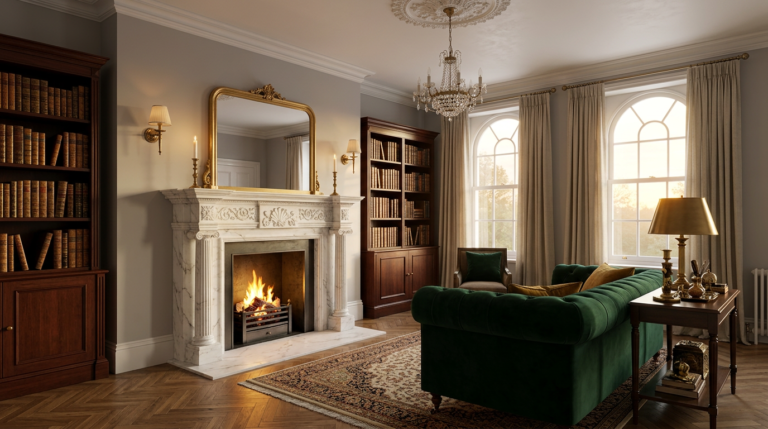

To refresh your home with simple décor updates, start with a weekend plan and a clear budget, focusing on high-impact changes like lighting, hardware, and furniture placement that improve flow. Swap textiles to shift mood, choose a cohesive color palette, and layer fabrics for depth. Add depth with layered lighting, mix scales, and keep clutter low. Update accent pieces affordably, then personalize with art and keepsakes. Small, regular maintenance keeps the look fresh—stick with a simple upkeep routine to stay ahead. If you want more, you’ll discover additional tips after this.
Key Takeaways
- Set a clear goal and budget for each room to guide quick, impactful decor updates.
- Refresh textiles and color with cohesive patterns, one dominant wall color, and budget-friendly accessories.
- Layer lighting (ambient, task, accent) with dimmable options to add depth and mood.
- Curate personal art and keepsakes in a cohesive display with thoughtful negative space.
- Establish a simple maintenance routine to rotate accents, dust regularly, and address wear promptly.
Plan Your Weekend Budget Makeover

If you’re planning a weekend budget makeover, start by setting a clear, achievable goal for each room. You’ll map your priorities, then allocate a strict budget for furniture, finishes, and accessories.
Set a timeline: two days for shopping, one day for prep, one day for assembly or installation.
Emphasize Budget planning: identify each item’s cost, note potential savings, and avoid impulse buys. Prioritize high-impact changes you can complete quickly, like lighting, hardware, or art, rather than wholesale renovations.
Lean on DIY projects where you can save money without sacrificing effect.
Create a simple checklist, track progress, and adjust as needed.
Stay disciplined: measure twice, buy once, and review results against your goals to keep the makeover focused and affordable.
Swap Textiles to Transform Mood (Color, Texture, Scale)
Swapping textiles is a fast, effective way to shift mood without a full remodel. You’ll feel the change through color, texture, and scale without committing to permanent upgrades. Begin with a focal room and pick a single textile family to guide the update.
Textile patterns can introduce contrast or cohesion; choose a bold print for energy or a quiet motif for calm. Fabric layering adds depth, mixing textures like linen, velvet, and cotton for tactile interest and seasonal versatility.
Balance scale by pairing large patterns with solid, complementary pieces to avoid visual overload. Keep edges crisp with a well-fitted throw, cushions, and a throw blanket.
Prioritize quality over quantity; select durable fabrics you’ll enjoy daily.
Create Depth With Layered Lighting
Layered lighting creates depth by combining ambient, task, and accent layers to sculpt space. You plan a simple scheme: ambient lighting to wash the room in even light, task lighting where you work, and accents to highlight features.
Keep ceilings and walls soft with dimmable fixtures to modulate mood, then add a table lamp near a seating area for a warmer ambient glow.
Use a focused light to illuminate a focal point, like a reading chair or artwork, without glare.
Avoid relying on a single bright source; instead, mix heights and color temperatures for natural shadows and contrast.
Balance all elements to maintain clarity, room scale, and a cohesive, inviting atmosphere.
Update Accent Pieces Without Breaking the Bank

You can refresh your space with budget-friendly accent pieces that deliver big impact. A quick swap—think bold throw pillows, accessories, or a statement vase—adds layered texture without breaking the bank.
Keep an eye on low-cost options that complement your existing palette for cohesive, practical updates.
Budget-Friendly Accent Pieces
Small changes can refresh a room fast: budget-friendly accent pieces punch above their price when chosen with intent. You’ll maximize impact by selecting a few high-contrast items rather than many pieces.
Start with Vintage accessories as focal accents—look for timeless shapes, patina, and clean layouts that don’t scream “new.” Pair those with a bold, affordable statement rug to anchor the space and guide color decisions.
Opt for quality textiles and finishes in neutral palettes, then layer color through small accessories like cushions, trays, and lamp shades. Maintain balance: too many textures or shiny surfaces can feel busy.
Apply a consistent theme across rooms to create coherence. Reassess quarterly, swapping out pieces that no longer serve the room’s scale or mood.
Quick Swap, Big Impact
Updating accent pieces doesn’t have to cost a fortune. Quick swaps deliver big impact by focusing on a few high-visibility items you use daily.
Start with seasonal swaps: swap pillows, throws, and a centerpiece vase to reflect current tones and textures. Choose seasonal accessories in cohesive color stories—one dominant hue paired with two supporting shades—to maintain harmony.
Replace bold artwork or decorative bowls with items that echo your season’s palette, keeping shapes simple and scalable. Don’t overdo it; aim for contrast, not clutter.
Rotate pieces weekly or monthly to test freshness without commitment. Use affordable, replaceable materials like ceramics, glass, or fabric.
Keep receipts, note what works, and repeat successful combinations. You’ll refresh rooms quickly while staying budget-conscious and stylish.
Layered Texture, Low Cost
Layered texture adds depth without a hefty price tag by mixing affordable materials like woven baskets, linen throws, and ceramic textures. You can update a room by layering elements at varying heights and textures, creating visual interest without overspending.
Start with a neutral base and add small, inexpensive accents that echo other textures. Consider textured wallpaper as an affordable focal wall instead of a full renovation, pairing it with solid fabric pieces to balance pattern.
Mix layered rugs in complementary tones to define zones and add warmth without clutter. Swap out a few cushions, throws, or baskets seasonally to refresh the look without buying new furniture.
Keep scale in mind, and avoid overdoing contrasts; cohesion sustains polished, budget-friendly texture throughout the space.
Personalize With Art and Memorable Keepsakes
Curate art you love and place it where you’ll see it daily, so your space feels personal right away.
Keep meaningful keepsakes visible but uncluttered, creating a story you can tell at a glance.
Use deliberate displays to balance color, texture, and memory, making every piece count.
Personalize With Art
Personalize your space with art and keepsakes that reflect who you are, not what you own. Your art should tell your story, fit your room’s scale, and stay cohesive with your wall gallery’s rhythm.
- Curate an art collection that sparks conversation and echoes your tastes.
- Mix formats—framed prints, canvases, and personal photos—for texture and depth.
- Rotate pieces seasonally to keep the wall gallery feeling fresh and intentional.
Choose pieces with a unifying element—color, subject, or mood—to maintain harmony while expressing individuality. Hang with proper spacing and level lines to preserve a clean, curated look.
Keep lighting focused on focal works to enhance detail and impact. Store backups nearby to swap in when you want a quick refresh.
Curate Memorable Keepsakes
Memorable keepsakes can anchor your space and tell your story without shouting. Curate a small, deliberate collection you actually love and use, not a shelf full of items you don’t notice.
Prioritize memory preservation by choosing pieces that age well and can be cleaned or repaired, ensuring longevity. Pair photos, letters, and meaningful objects with simple frames and consistent framing styles to create cohesive vignettes.
Keep a running list of sentimental value and rotate items seasonally so you don’t overwhelm a room. Display in one focal area or a dedicated shelf, then store extras properly to maintain quality.
Use labels or dates to remind yourself why each piece matters, reinforcing purpose over quantity. Regularly reassess, discard duplicates, and refresh the arrangement as your story evolves.
Create Meaningful Displays
You can transform your space by weaving art and keepsakes into a cohesive display that feels intentional rather than cluttered. Create meaning by pairing seasonal flowers and wall art with a clear theme—color, memory, or mood—and prune to essentials. Place items at eye level and vary heights for rhythm.
- Choose three anchor pieces that echo your theme, then build around them.
- Swap in seasonal flowers to refresh color and scent without overloading visuals.
- Rotate keepsakes seasonally to preserve novelty while maintaining coherence.
Keep frames consistent in finish and matting to unify disparate objects. Use negative space to prevent crowding, and let each piece tell a concise part of your story. This approach yields curated, personal displays you’ll actually enjoy daily.
Refresh Color on a Budget: Quick Palette Shifts
Revitalizing your space on a budget is easy with quick palette shifts. You can change mood without a full makeover by tweaking color basics. Start with color pairing: pick one dominant wall color and two accents that complement it, then balance with white or off-white for breathing room.
Use paint techniques to maximize impact: an accent wall, stenciled patterns, or color washing adds depth without replacing furniture. Consider semi-gloss for trim to reflect light and matte on walls to soften shifts.
Swap textiles—curtains, pillows, rugs—in your new palette to reinforce cohesion. Test swatches on small areas, observe daylight changes, and refine until harmony emerges.
Keep a punchy, unified scheme to avoid visual clutter and preserve your budget.
Optimize Furniture Placement for Small Spaces

Efficient furniture placement is the backbone of a functional small space. You’ll maximize every square inch by prioritizing flow, sightlines, and multiuse pieces. When you choose furniture arrangement, place sofas and seating to create clear pathways rather than blocking doors or windows.
Space optimization relies on vertical and corner solutions, wall-mounted units, and leggy profiles to keep floors airy.
- Arrange seating to frame traffic paths and create defined zones without clutter.
- Use compact, multiuse furniture to serve dual functions, such as storage ottomans or nesting tables.
- Elevate with wall-mounted storage and lighting to free floor space and improve perception of room size.
Apply these tactics consistently; you’ll discover a more open, purposeful layout that feels larger and more accommodating.
Quick Maintenance Wins to Preserve Your New Look
Small maintenance can lock in your new look fast. To keep colors, textures, and shapes fresh, schedule quick checks weekly.
Start with Seasonal decor: rotate accents monthly, dust surfaces, and replace worn linens before they sag. Replace bulbs promptly and test electronics to prevent hotspots or flickers that weigh down the vibe.
Next, preserve life from your Indoor plants by trimming dead leaves, wiping dust from leaves, and rotating pots for even growth.
Clean windows and mirrors to maintain light, and touch up scuffs on furniture with a matching stain or wax.
Track high-traffic areas and spot-clean spills immediately to prevent staining.
Finally, create a simple maintenance checklist and stick to it, so the look stays intentional rather than fleeting.
Frequently Asked Questions
How Often Should I Refresh Décor to Stay Refreshed?
You should refresh décor every 3 to 6 months. Track Seasonal trends and adjust color schemes accordingly; rotate accents quarterly, swap textiles, and swap out key pieces as needed to keep spaces feeling current and cohesive.
Which Budgets Yield the Biggest Visual Impact Quickly?
Budget planning guides you to invest in bold color schemes and targeted accents for quick impact. You’ll maximize value by reserving higher visibility pieces, balancing with affordable textiles, and prioritizing cohesive hues across rooms for instant cohesion.
What Scale of Textiles Works Best in Small Rooms?
Textile patterns thrive in small rooms when you scale them mid-sized, not tiny, and keep color coordination simple. You get impact yet stay calm; mix textures, balance pattern with solids, and choose fabrics that feel cohesive.
How Can Lighting Changes Alter Mood Without New Fixtures?
Ambient lighting can dramatically shift mood without new fixtures; you’ll achieve mood enhancement by layering light sources, dimming strategically, and choosing warm tones. You adjust intensity, use shaded lamps, and create zones that feel calmer and more inviting.
Which Easy Keepsakes Boost a Room’s Personality?
Keep your room character-rich with vintage accents and personalized artwork; you’ll instantly boost personality. Choose a statement piece, display a few cherished items, and curate spacing for balance, letting these keepsakes guide your color and texture choices.
Conclusion
Revitalizing your home can be quick, affordable, and impactful if you follow these steps. Focus on weekend planning, swap textiles, layer lighting, and update accents without overspending. Personal touches and a lively color shift seal the deal, while smart furniture placement keeps spaces usable. Fun stat: homes with a cohesive color palette feel 20% more serene. Keep maintenance small but steady, and your renewed look will last longer than you expect. You’ve got this.
About the Author