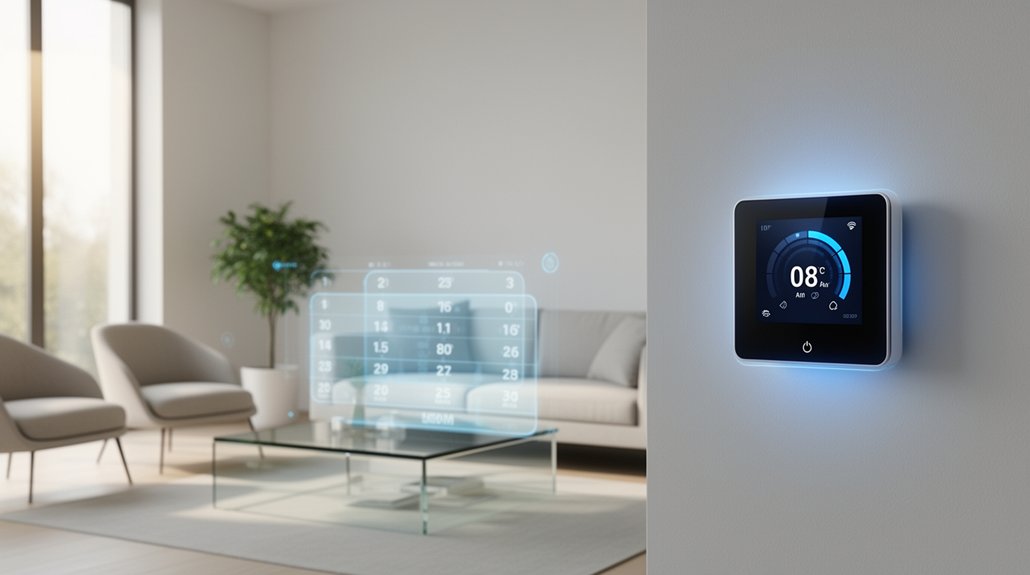
You’ll experience a smarter home with thermostats that learn your routine, adapt automatically, and optimize comfort while cutting energy use. These devices gather continuous data to model your schedules, occupancy, and preferences, then refine options as behavior shifts. Expect intuitive scheduling, reliable automation, fast responses, and fallback modes during outages. They connect through secure networks and offer clear energy metrics to track progress. If you move forward, you’ll uncover how to tailor setup to your home and goals.
Key Takeaways
- Intelligent thermostats learn daily routines through occupancy sensing and continuous data collection to auto-adjust temperatures.
- They forecast personalized schedules by analyzing historical usage and seasonal patterns for efficient comfort.
- Real-time responses and fallback modes keep comfort stable during outages or connectivity issues.
- Voice or app control, combined with intuitive energy reports, helps you monitor and refine automation.
- Easy setup, clear metrics, and scalable features ensure compatibility with existing HVAC, sensors, and hubs.
Foundations of Learning Thermostats
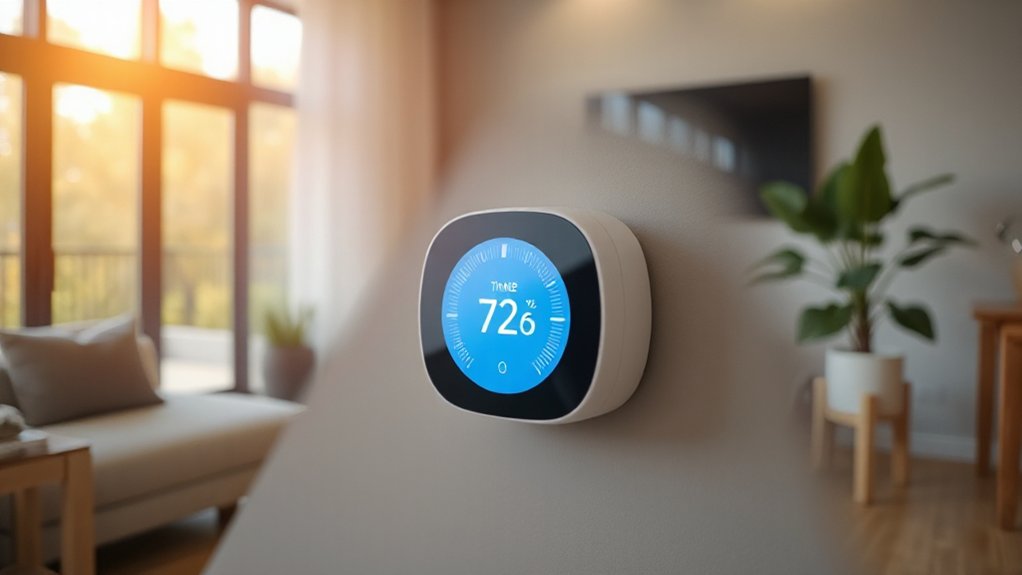
Foundations of Learning Thermostats establish how these devices gather data, adapt to routines, and improve comfort with minimal user input. You rely on core capabilities that translate everyday activity into actionable control, driven by machine learning. Through continuous data collection, the thermostat identifies patterns in heating and cooling needs, then optimizes schedules accordingly. Occupancy sensing plays a pivotal role, detecting when spaces are occupied to adjust outputs without manual tweaks. You’ll notice that initial setup feeds a baseline model, which refines itself as your behavior shifts, ensuring gradual, unobtrusive improvements. The system prioritizes efficiency by reducing unnecessary adjustments and maintaining comfort targets. You gain a responsive, hands-off experience, underpinned by robust algorithms that balance energy use with personalized climate preferences.
Estimate Your Potential Savings
Estimate your potential savings by translating your current usage into a clear forecast: historical energy consumption, regional climate, and your thermostat’s learning pace combine to determine how much you can cut from your bills. You’ll produce a data-driven projection that ties daily patterns to seasonal trends, enabling a precise cost analysis. By analyzing past bills, you identify typical high-traffic periods and align them with optimized setback schedules. Consider regional heating or cooling demands, insulation quality, and equipment efficiency to refine the forecast. The result is a transparent energy efficiency assessment that informs budgeting and investment decisions. With this approach, you quantify potential benefits, set measurable goals, and track progress accurately, ensuring your thermostat delivers predictable, ongoing savings.
Must-Have Features for Busy Homes
To meet the needs of busy homes, prioritize thermostats with intuitive scheduling and reliable automation that adapts to your routine without manual tweaks. In this context, focus on features that reduce decision fatigue and maintain comfort with minimal input. Look for smart scheduling that learns from patterns, adjusts temperatures automatically, and accommodates sudden changes without creating conflicts with other connected devices. Reliability matters: expect stable connectivity, quick response times, and robust fallback modes during outages. Voice control enhances convenience, allowing quick adjustments without pulling out a phone or remote. Energy metrics should be clear and actionable, guiding you toward incremental savings. Prioritize a system with straightforward setup, strong security, and dependable customer support to guarantee consistent performance in a busy household.
How to Choose the Right System for You
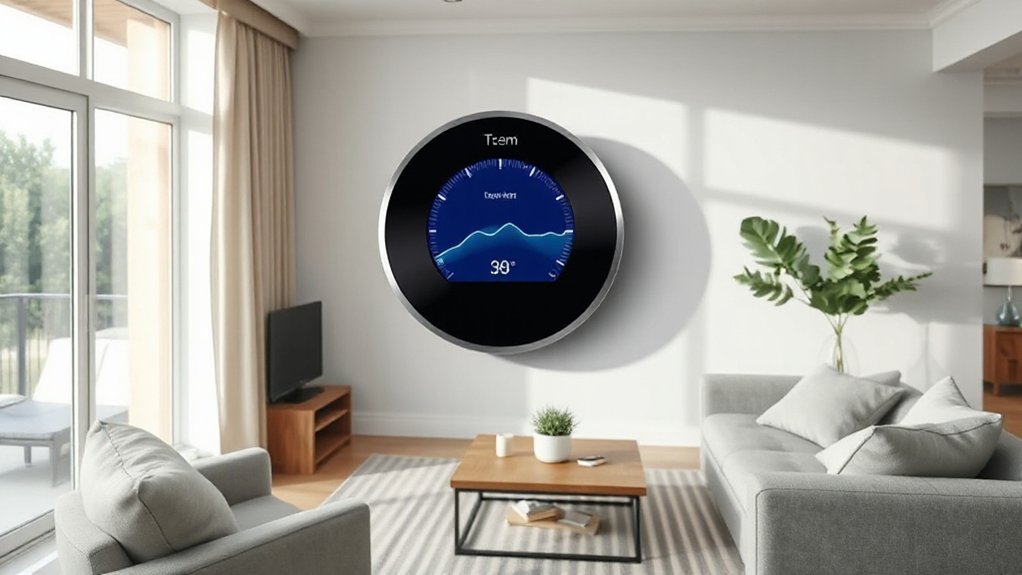
Choosing the right thermostat system starts with your daily rhythms and unique home setup. To select wisely, map your schedule, occupancy patterns, and any zoning needs. Prioritize compatibility with your existing HVAC, sensors, and hubs, guaranteeing smooth integration with smart home routines. Consider whether you prefer voice control for convenience or app-based control for detail, and verify that the system supports both. Assess energy reports to understand consumption, identify waste, and measure improvement opportunities over time. Check learning capabilities: does the thermostat adapt quickly to changes, and can you customize schedules without downtime? Ensure robust security and clear warranty terms. Finally, compare installation requirements and ongoing costs, choosing a platform that scales with your needs and delivers reliable, predictable comfort.
Install, Tune, and Troubleshoot for Best Results
Install, tune, and troubleshoot with a methodical approach to maximize efficiency and comfort. Begin by verifying compatibility and mounting securely, then connect to power and your Wi‑Fi network. Update firmware to guarantee latest fixes and features. Calibrate temperature sensors and confirm that room sensors reflect actual conditions; this enhances energy efficiency and avoids overshooting setpoints. Program a schedule that aligns with your daily routine, enabling user customization while preserving comfort during peak hours. Test the system’s response to changes in setpoints, fan behavior, and mode (auto, cool, heat). Document any anomalies and perform a clean reset if issues persist. If problems recur, consult the manufacturer’s support, noting error codes for precise troubleshooting steps. Maintain regular filter and battery checks to sustain reliable operation.
Frequently Asked Questions
Can These Thermostats Learn Multiple Users’ Routines?
Yes, these thermostats support multi user recognition and custom scheduling, adapting to different family members. You’ll set profiles, the system learns routines, and you can assign preferences, ensuring comfort while saving energy for each user.
Do They Work Without Home Wi-Fi or Internet?
Yes, you can use offline functionality with limited features, but full smart learning requires internet. Rely on battery backup during outages, and understand that some routines and remote control may be unavailable without Wi‑Fi.
How Private Is My Data and Usage History?
Privacy is protected by data encryption and clear privacy policies, but you should review specifics in each product’s docs to understand data collection and retention. You’re protected, yet tailor settings to minimize sharing and maximize control.
Will They Adapt to Vacations or Irregular Schedules?
Sunlight through blinds symbolizes adaptation: yes, they’ll adjust to vacations and Irregular routines. You’ll set Vacation scheduling preferences, and the device learns gaps in your pattern, seamlessly syncing temperature shifts to travel plans and varying schedules.
Do They Support Solar-Powered or Off-Grid Setups?
Yes, some models offer solar compatibility and off grid functionality. You’ll want to verify inverter compatibility, battery support, and power draw limits, then select a unit that clearly documents solar integration and independent operation for reliable off-grid performance.
Conclusion
In short, intelligent thermostats don’t just save energy—they adapt to your life. You’re not chasing schedules; the system learns them. Last winter, one family cut heating costs by 20% after a month of automation, proving a small habit change compounds into real savings. Think of it as a quiet personal HVAC consultant who tunes itself while you sleep. Install with care, set clear goals, and trust the learning curve to deliver comfort and efficiency without constant fiddling.
About the Author