In the UK, you’ll see the strongest ROI from high-ROI upgrades like kitchen and bathroom renovations, energy-efficiency improvements, and targeted cosmetic refreshes. Start by documenting baseline costs, expected price lifts, and time-to-sale implications, then sequence projects for maximum resale impact. Track actual costs and outcomes to refine your approach. Budget smartly for regional price variations, and use data to justify upgrades that buyers value most. If you keep going, you’ll uncover how to optimize every pound.
Key Takeaways
- Prioritize high-ROI upgrades like outdoor landscaping and curb appeal to boost perceived value with lower costs.
- Focus on kitchen and bathroom improvements with durable finishes and contemporary layouts for strong resale lift.
- Invest in energy efficiency upgrades (insulation, seals, efficient boilers) plus smart tech to reduce running costs and appeal to buyers.
- Consider durable structural upgrades (windows, roofing) for long-term value and appraisal confidence, even if aesthetics don’t change much.
- Align renovations with regional market trends and timing to maximize impact and manage costs while meeting buyer expectations.
ROI Framework for UK Home Refurbs: What Counts and Why
A robust ROI framework for UK home refurbishments starts with clearly defining what counts as value. You’ll quantify value by measurable outcomes: marketability, energy efficiency, maintenance costs, and user satisfaction. Start with a baseline cost and anticipated resale uplift, then segment by scope to compare scenarios. Smart technology integration should be evaluated for both capital spend and potential operating savings, ensuring tech choices align with target buyer profiles and neighborhood norms. Include garden landscaping as a value driver when it demonstrably broadens appeal or extends usability, not as ornament. Track data on time to sale, price per square foot, and post-project defect rates. Use sensitivity analyses to test assumptions, and document external factors like interest rates and local demand shifts. This framework keeps decisions data-driven, comparable, and scalable.
Kitchen and Bathroom Upgrades That Boost Sale Price
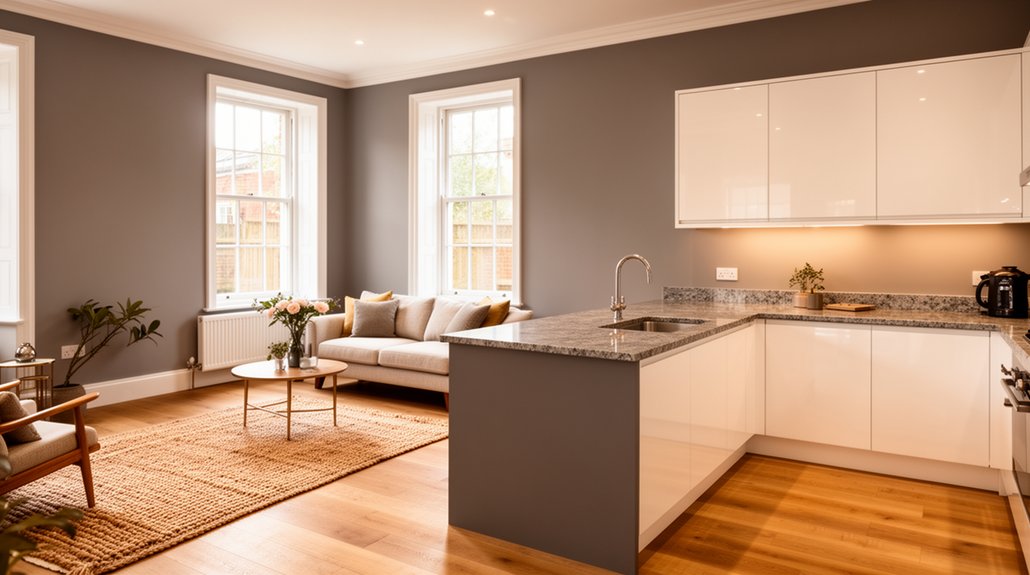
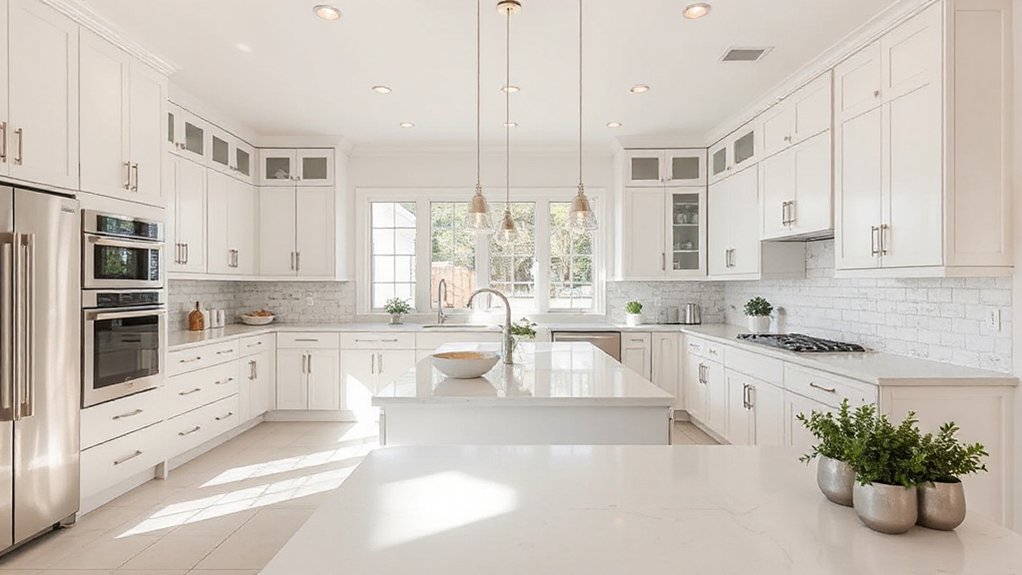
Renovating your kitchen and bathrooms is one of the most cost-effective ways to lift sale price, provided you target high-value updates with solid ROI. In practice, focus on quality finishes, durable surfaces, and contemporary layouts that align with buyer expectations. Kitchens with mid-range to premium cabinetry, stone worktops, and compatible appliances tend to outperform basic reconfigurations in comps. For bathrooms, aim for modern fixtures and efficient layouts that maximize perceived space without overinvesting. Incorporate luxury fixtures where they move the needle, as buyers associate them with longevity and ease of maintenance. Embrace smart technology for lighting, climate, and connectivity to boost appeal without excessive upfront costs. Track installed features against sale price data to validate ROI and guide future upgrades.
Energy Efficiency Wins: Insulation, Heating, and Renewables
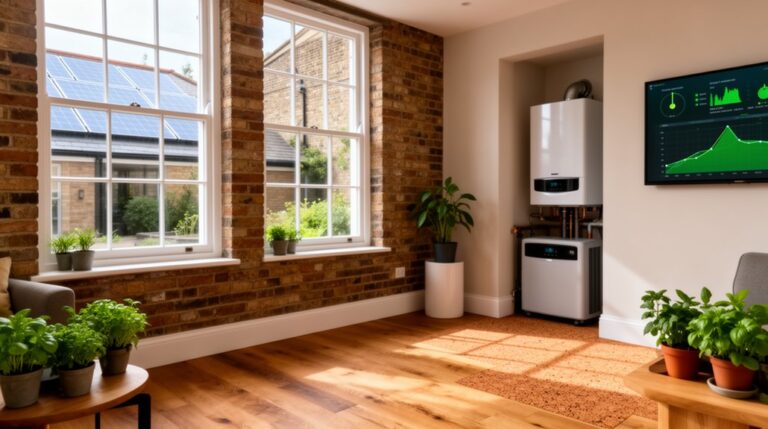
To boost appraisal value and cut ongoing costs, prioritize energy efficiency through solid insulation, efficient heating, and smart renewables; doing so systematically yields tangible savings and stronger buyer appeal. You’ll see gains when you upgrade to high‑R insulation, airtight seals, and well‑rated boilers or heat pumps, which reduce heat loss and utility bills. Pair these with smart technology that monitors usage, schedules heating, and optimizes performance, delivering precise, real‑time savings. Renewable integrations—solar PV with storage or heat pumps—offer long‑term value and resilience against price swings. Consider garden landscaping that reduces microclimate stress and shields walls, boosting overall efficiency without compromising aesthetics. Align improvements with energy performance certificates to demonstrate measurable gains, and communicate these benefits clearly to buyers seeking practical, data‑driven value.
Cosmetic Refreshes vs Structural Upgrades: ROI Breakdowns
After optimizing energy efficiency, you’ll find cosmetic refreshes and structural upgrades offer different, data-driven ROI signals. Cosmetic moves—like updating Interior decor or tidying Exterior landscaping—often deliver quicker, noticeable lifts at lower cost, but ROI can be modest and stage-dependent. Structural upgrades tend to yield steadier, longer-term value, yet require higher upfront spend and longer payoff.
1) Visual impact snapshot: a fresh interior palette paired with well-placed greenery can push perceived value without major disruption.
2) Durability vs depreciation: sturdy improvements (windows, roofing) boost appraisal reliability even if aesthetics don’t change dramatically.
3) Time-to-value gap: cosmetic changes offer faster payback, while structural upgrades may converge with market cycles more gradually.
Budget, Timing, and Regional Price Variations in the UK
Budget sensitivity, regional price shifts, and timing all shape ROI, so you’ll want clear data on how costs vary by UK region and project window. Expect material and labor prices to move with market cycles, and plan timing to minimize peak-rate exposure without delaying essential work. This creates a practical framework for evaluating ROI across budgets, timing, and regional differences.
Budget Sensitivity Variations
How do budget, timing, and regional price differences shape refurbishment ROI in the UK? You’ll find that sensitivity varies by project scope, market conditions, and expected resale multipliers. Smaller budgets tighten ROI tolerance, while longer timelines can access better supplier rates but risk market volatility. Regional price gaps matter: some areas deliver higher value for the same spend, especially when projects enable luxury features or enhanced outdoor spaces. Targeted budgets reveal where incremental spend yields diminishing returns, guiding you toward high-impact updates without overinvesting.
- Narrow budgets push you toward scalable upgrades, prioritizing high-ROI elements like enhanced outdoor spaces that impress buyers.
- Timing premiums: late-season trades and supplier lead times can shift costs, affecting overall profitability.
- Regional price awareness helps you compare quotes and choose suppliers, maximizing value for luxury features.
Regional Price Fluctuations
Regional price fluctuations in the UK matter because where you undertake work can swing costs by a lot, even when scope is similar. You’ll notice sizable gaps across regions driven by demand, labor availability, and material access. Mirror market trends show urban areas often demand higher labor rates, while rural zones may offer price relief but longer project timelines. Local regulations can add compliance costs that vary by council and category, influencing permits, inspections, and waste handling. Budget planning should account for regional hedging: use regional quotes, adjust contingencies, and compare finished-price scenarios rather than upfront estimates alone. Data-driven decisions rely on recent price indices, supplier lead times, and regional contractor density. Align procurement with region-specific patterns to improve accuracy and avoid overstating ROI due to inflated regional expectations.
Timing Influence Impacts
Timing can swing project outcomes as much as regional price shifts, so you must plan for timing as a core variable in both cost and delivery. In the UK, budget feasibility hinges on seasonal timing and renovation scheduling, which affect material prices, contractor availability, and disruption costs. You’ll gain precision by aligning work with off-peak windows, factoring in weather risk, and tightening lead times with suppliers. Data shows price dips in shoulder seasons and faster completion when crews are coordinated across trades. Use a staged plan to quantify timing risks, allowances, and contingencies, then adjust budgets accordingly. Maintain visibility with weekly updates and risk logs to protect ROI.
- Seasonal timing aligns material costs with demand peaks and troughs.
- Renovation scheduling reduces downtime and speeds cash-flow breakevens.
- Contingency windows counter weather, supply delays, and workforce variability.
Plan for Maximum Resale Impact: Step-by-Step Assessment
To maximize resale impact, start with a structured, data-driven assessment that identifies which renovations deliver the highest ROI for your market and price point. Gather local comp data, then map ROI by room, project scope, and finish level. Prioritize improvements with proven value, such as boostable curb appeal, efficient systems, and space optimization, while avoiding niche upgrades unlikely to pay off. Create a scoring rubric that weighs cost, duration, and market demand, and test scenarios using sale timing and buyer profiles. Implement Landscaping improvements and refined Interior decor selectively, aligning them with target buyers. Document baseline costs, expected price lift, and time-to-close. Use the findings to sequence projects, monitor progress, and adjust for market shifts, ensuring every step drives maximum resale impact.
Frequently Asked Questions
How Do Regional Market Trends Affect Renovation ROI in the UK?
Regional market trends shape ROI you’ll see: rising demand in hotspots boosts resale values, while slower areas dampen gains. You’ll need to factor property taxation and local planning constraints into renovation timing, budgeting, and value projections.
Which Trades Yield the Highest ROI per Pound Spent?
You’ll get the highest ROI per pound with kitchen upgrades and bathroom renovations, since these trades consistently attract buyers and boost perceived value, supported by data on cost-to-value ratios and regional demand across the UK.
How Long Should Renovations Take to Maximize Resale Value?
You should plan a tight renovation timeline, aiming for 6–12 weeks, with disciplined project scheduling. You’ll preserve value by avoiding overruns, tracking milestones, and aligning tasks to be efficient, data-driven, and within your budget.
Do Leasehold Vs Freehold Statuses Change ROI Outcomes?
Yes, leasehold implications can lower resale value, while freehold advantages often boost it; you’ll see higher ROI from improvements when you secure freehold status or mitigate lease issues, reducing ground rent, service charges, and lease length concerns.
How Do Soft Costs (Fees, Design, Permits) Impact Overall ROI?
Soft costs reduce overall ROI; your material costs and contractor fees shape the bottom line, so track budgets meticulously, compare bids, and include permits and design fees in feasibility apps to keep ROI projections accurate.
Conclusion
If you’re weighing refurb bets, the data doesn’t lie: kitchens and baths still pull the strongest price bumps, while energy upgrades improve market appeal and running costs. But timing and location matter—ROI shifts with regional prices and project scale. Start with a clear plan, grade potential gains, and budget for surprises. Do you pull the trigger this quarter or wait for better rates? The right move aligns your upgrade with both buyer expectations and your own long-term costs. Decision time.
About the Author