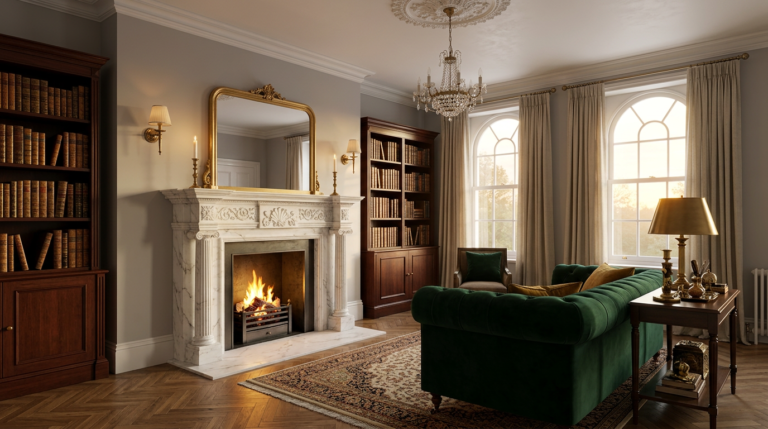

You’ll see 2025 anchored in function, texture, and sustainability. Expect nature-inspired palettes with honest materials that age gracefully, layered textures, and lighting that fuses daylight with smart tech. Flexible layouts and multi-functional furniture let rooms adapt quickly, while seamless tech stays subtle behind surfaces. Artisanal craft and local sourcing ground the trend in integrity and tactility. Design favors adaptable zones, quiet climate control, and responsible finishes. Stay with us to discover how these ideas shape your spaces.
Core Principles Guiding 2025 Interior Design

In 2025, interior design centers on balancing function with texture and sustainability. You shape spaces by prioritizing adaptable layouts, sustainable materials, and resilient finishes that age gracefully. Core principles emphasize clarity of use: every element must earn its keep and enhance comfort. You deploy Smart lighting to sculpt mood, energy use, and task performance, pairing it with natural daylight to reduce waste. Color psychology guides your palette, leveraging hues that influence mood without overwhelming the senses. You pursue tactile contrast—soft textiles against sleek surfaces—to create warmth and intimacy. Durability drives decisions: fix, reuse, or repurpose components to minimize disruption and waste. You test ideas quickly, measuring outcomes against real needs, not fashion alone. The result is intentional, measurable rooms that support daily life and evolving technologies.
Nature-Inspired Palettes and Honest Materials
Nature-inspired palettes and honest materials meet the demands of 2025 by grounding design in the world outside the window. You’ll lean into biophilic colors and organic textures to create spaces that feel calm, durable, and truthful. Prioritize tones drawn from nature, then pair them with tactile surfaces that age gracefully. The result is rooms that read as refined yet approachable, with fewer gimmicks and more honesty.
1) Choose a restrained color base that echoes mineral and plant life.
2) Layer textures—wood, linen, stone—for depth and tactility.
3) Highlight natural light to elevate color warmth and shade.
4) Use sustainable materials and simple joins to guarantee longevity.
Flexible Layouts for Everyday Living
Flexible layouts aren’t a gimmick—they’re a practical shift that keeps homes adaptable as routines shift. You’ll prioritize rooms designed for fluid use, where every square foot earns purpose beyond its traditional label. Multi functional furniture becomes the backbone, letting you transform a living area into a work zone, or a dining nook into a study corner, in minutes. Use adaptable spaces that breathe with daily life: sliding screens, modular seating, and concealed storage that cleanly vanishes when not needed. Plan zones instinctively, not rigidly, so lighting, acoustics, and traffic flow support both quiet focus and social moments. Favor scalable layouts over fixed grids, and you’ll sustain relevance as needs evolve without sacrificing style or efficiency. This approach defines flexible living as a practical, trend-forward standard.
Subtle, Seamless Tech for Comfort

Subtle, seamless tech enhances comfort by blending into daily life rather than demanding attention. You’ll experience spaces that anticipate needs through smart integration and hidden technology, delivering convenience without clutter. The goal is usable luxury, not showiness, so you feel calmer in every room.
- Prioritize smart integration that coordinates lighting, climate, and media without manual tweaking.
- Choose hidden technology behind clean surfaces—counters, walls, or furniture—so tech serves design, not defines it.
- Favor quiet, unobtrusive sensors and voice-assist that respond instantly but remain discreet.
- Design with future-proof modules, allowing updates while preserving a cohesive aesthetic.
In practice, the trend delivers comfort through architecture-driven tech, preserving mood and flow while maintaining a refined, modern silhouette.
Artisanal Craft and Sustainable Crafting
As we move from seamless tech to tangible warmth, artisanal craft and sustainable crafting take center stage, proving that beauty and responsibility can coexist in high-end spaces. You’ll notice a shift toward handcrafted textures that enrich tactile experience without shouting branding. These elements introduce narrative depth, from hand-stoked finishes on wood to locally sourced materials that honor place and craft. Prioritize eco friendly finishes that resist wear while preserving character, ensuring longevity over disposable trends. In practice, lean on small-batch production and collaboration with makers to reduce freight and waste, boosting authenticity. Use artisanal details as quiet anchors for rooms dominated by refined silhouettes. The result is lasting luxury driven by integrity, texture, and responsible sourcing that resonates with discerning clients.
Frequently Asked Questions
How Will 2025 Color Trends Influence Small Spaces?
Color trends in 2025 boost mood and space perception, so you’ll feel bigger and calmer. You’ll leverage color psychology and Small space optimization, using light neutrals with bold accents, reflective surfaces, and purposeful contrast to elevate functionality and style.
Which Budget-Friendly Materials Offer Longevity and Style?
“Imagine a sturdy compass guiding your ship.” You choose affordable options and durable finishes, so your space lasts. You’ll profit from material decisions that balance price and grit, delivering stylish, practical, trend-focused results you can trust.
Can Biophilic Design Improve Productivity at Home Offices?
Yes, biophilic design boosts your home-office productivity. You’ll benefit from indoor plants and natural lighting, which reduce stress and fatigue, sharpen focus, and create a calmer workflow, making daily tasks feel more efficient and energizing.
Do Noise-Reducing Solutions Fit Into Minimalist Aesthetics?
Yes, noise-reducing solutions fit minimalist aesthetics, you just choose sleek Acoustic panels and subtle, soundproof decor. They prove the theory that calmer spaces boost focus, blending practicality with style for a trend-forward, clutter-free workspace.
What Maintenance Costs Accompany Sustainable Wood Finishes?
Sustainable wood finishes typically incur moderate maintenance costs, but Eco friendly finishes can reduce frequent upkeep. You’ll face periodic resealing or cleaning, so plan for ongoing maintenance cost considerations while enjoying durable, trend-forward, low-toxicity aesthetics.
Conclusion
You’re steering your space toward authenticity and resilience in 2025. Embrace nature-inspired palettes, honest materials, and flexible layouts to breathe ease into daily living. Keep tech subtle and unobtrusive, so comfort stays front and center. Craftsmanship and sustainability shouldn’t be afterthoughts but pillars you lean on. Let your choices feel timeless, not trendy—like a well-tailored suit that ages gracefully. In short, design with intention, adapt with purpose, and let your home be quietly confident, like a steady compass.
About the Author