
PBSA is purpose-built to support students with campus-aligned schedules, predictable costs, on-site safety, study spaces, and centralized services. You’ll gain streamlined check-ins, reliable Wi‑Fi, and proximity to campus, along with community programs and mentorship opportunities. It standardizes leases and utilities, reducing budgeting guesswork, but often trades some privacy and long-term flexibility for turnkey convenience. Compare total costs, maintenance response, and on-site staffing against off-campus options. If you want a structured, risk-managed environment, you’ll likely benefit—and there’s more to weigh beyond costs.
Key Takeaways
- PBSA offers purpose-built, campus-aligned housing with predictable leases and on-site amenities, reducing logistical stress for students.
- It provides safety, centralized services, and study-focused spaces designed to support academic routines and wellbeing.
- Compared to traditional rentals, PBSA standardizes costs and processes, though it may limit flexible lease terms and privacy opportunities.
- Community programming, mentorship, and campus partnerships enhance networking and peer support beyond housing alone.
- Consider budget implications, inclusions, and long-term asset features like durable materials and scalable systems when evaluating PBSA.
What PBSA Is (And Why It Matters for Students)

What PBSA is and why it matters: Purpose-Built Student Accommodation (PBSA) refers to housing designed specifically for students, with features and services aligned to academic calendars and campus life. You gain predictable routines, on-site amenities, and proactive support that reduce logistical friction during terms. This model frames student housing as a core service: reliable Wi‑Fi, study spaces, and safety measures that support academic focus. You’ll encounter standardized lease terms that align with semesters and exam periods, simplifying planning. PBSA offers clear accommodation options that adapt to varying budgets and study patterns, from ensuite rooms to shared flats with inclusive utilities. For you, PBSA translates to consistent quality, enhanced community, and a streamlined transition into campus life, reinforcing your overall student housing strategy.
PBSA vs Traditional Rentals: A Side‑by‑Side Framework
PBSA and traditional rentals differ most in structure, terms, and services, making the choice a matter of predictability versus flexibility. In a side‑by‑side view, PBSA standardizes lease durations, inclusive utilities, and on‑site amenities, delivering consistent budgeting and predictable occupancy timelines. Traditional rentals offer room for negotiation on length, deposit, and furnished options but incur visibility gaps in maintenance response and policy enforcement. Campus integration matters: PBSA often embeds with university services, timing, and housing allocations, reducing administrative friction. Traditional options may require external leases, increasing processing time and coordination. Cultural diversity considerations surface in community mix, roommate dynamics, and programming availability, influencing social fit and support networks. You should quantify total cost of occupancy, service quality, and access to campus resources to determine overall value.
Core PBSA Benefits: Convenience, Safety, and Community
The core PBSA benefits—convenience, safety, and community—build directly on the standardized structure and campus integration discussed earlier. You experience streamlined check-ins, centralized services, and proximity to classes, libraries, and amenities, enabling tighter schedules and reduced commute stress. Safety measures—controlled access, surveillance, and on-site staff—provide predictable risk management and reliability for daily routines. Community features foster peer interaction, study groups, and organized activities, reinforcing academic focus without fragmenting your day. Alumni networking opportunities emerge through formal mentorship, events, and industry connections linked to the housing ecosystem, expanding professional options beyond campus life. Housing affordability factors combine value-added design with predictable costs, supporting budget planning and long-term stability while maintaining quality standards. Overall, PBSA integrates convenience, safety, and community to optimize student housing outcomes.
What’s in PBSA Costs: What’s Included and What’s Extra
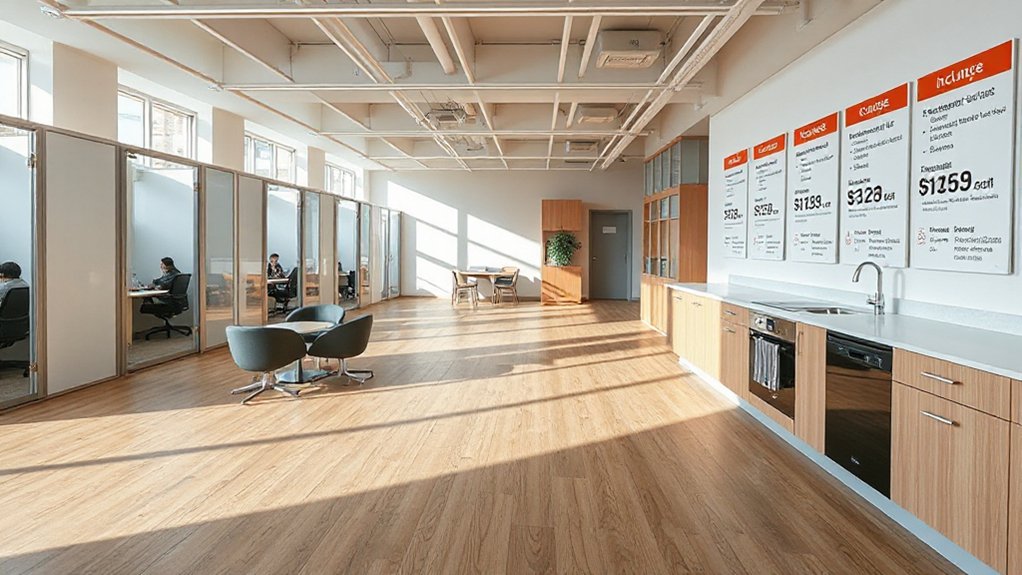
You’ll start by mapping which PBSA costs cover utilities, so you know what’s included versus what’s extra. Next, you’ll review the campus amenities breakdown to see how services factor into overall pricing. Finally, you’ll summarize any additional charges to expect beyond base rent, so you can compare offers clearly.
Included Utilities Overview
Included utilities typically appear as part of your PBSA contract, but what’s covered varies by property. You’ll want a precise understanding of what’s included and what isn’t, since utilities influence ongoing costs and budgeting. This overview focuses on what you should expect in terms of core services and how they’re managed. Emphasis on utilities management helps you compare offers quickly and avoid surprises at renewal. Look for clear definitions of which utilities are bundled, how consumption is measured, and where responsibility lies for maintenance and billing. When evaluating, perform a utility cost comparison across properties to identify the most predictable monthly expense and the potential for cost escalations.
- What’s bundled vs. separate bills
- Billing method and cadence
- Responsibilities for maintenance and metering
Campus Amenities Breakdown
On top of core utilities, PBSA offerings bundle a range of amenities that directly affect monthly costs and perceived value. Campus dining options shape meal plans, dining hall access, and budget predictability, often bundled as a single monthly figure. Extracurricular activities access is routinely included or discounted, covering clubs, fitness programs, and social events, which can reduce separate recreation fees. Property-level services—study lounges, coworking spaces, and technology-enabled common areas—contribute to productivity and convenience without sleeve-rate surcharges. Security, maintenance, and front-desk assistance are typically consolidated into the base rent, while premium experiences like specialty workshops or tutoring may appear as add-ons. When evaluating PBSA, compare what’s included in the base price versus what’s priced separately to gauge true monthly cost and value.
Extra Charges Summary
Extra charges in PBSA typically fall into two categories: items included in the base rent and those billed separately. You’ll want a clear understanding of what’s covered and what isn’t, so you can compare offers accurately. This section provides a concise fees overview and practical guidance on payment options, helping you forecast monthly costs without surprises. Expect to see charges for utilities, maintenance, and optional services itemized, then distinguish mandatory fees from discretionary add-ons. By reviewing each line item, you can assess total cost and plan your budget more effectively. If you need transparency, ask for a written breakdown before signing. Being precise now reduces ambiguity later and supports informed housing decisions.
- Utilities and maintenance
- Optional services and amenities
- Payment options and due dates
Safety, Support, and Community Features to Look For
You’ll want to verify safety protocols, including access controls and incident response timelines, to guarantee resident protection and quick resolutions. Confirm onsite support availability with clear coverage hours, response targets, and escalation paths for maintenance, safety, and wellness needs. Look for community-building initiatives that foster peer support, inclusive events, and sustainable engagement without compromising privacy or safety.
Safety Protocols Implemented
Implement robust safety protocols by detailing access controls, incident response, and preventive measures up front. You’ll assess how PBSA sites manage entry points, visitor screening, and keycard systems, ensuring continuous authentication and audit trails. Security measures should cover surveillance coverage, alarm integration, and incident reporting workflows that minimize response times. You’ll evaluate staff training, emergency drills, and clear escalation paths to reduce risk. The goal is a tightly integrated framework that protects student safety while preserving accessibility.
- Access control and credential management with scalable monitoring
- Incident response, drills, and post-incident review procedures
- Preventive maintenance, risk assessments, and continuous improvement initiatives
Student safety and security measures are the benchmarks you’ll compare across properties to identify best-fit PBSA.
Onsite Support Availability
What onsite support options should PBSA properties provide to guarantee safety, immediate assistance, and a sense of community? Onsite support availability should be clearly defined, with 24/7 reception or security contacts, rapid-response protocols, and documented escalation paths. You should expect trained staff for safety, maintenance, and wellness, plus digital alert systems, emergency lighting, and accessible routes. The provision of Meal plans and Transportation options is essential, linking housing services to daily needs and transit access. Look for supervised study spaces, tutoring access, and confidential reporting channels for concerns. Proactive rounds, incident tracking, and post-incident reviews ensure continuous improvement. Service SLAs, multilingual support, and compliance with local regulations reinforce reliability, while transparent access schedules and clear signage minimize uncertainty and build trust.
Community Building Initiatives
Community building in PBSA hinges on safety-forward support and tangible community features that reinforce trust and belonging. You’ll evaluate how residence teams monitor risk, respond to incidents, and communicate policies in real time. Look for structured programs that promote student diversity and cultural integration, such as inclusive events and language-accessible resources. Clarity matters: signage, emergency procedures, and reporting channels should be straightforward and accessible. Active resident dialogue channels help you voice concerns and influence improvements, while data dashboards illustrate participation and impact. Confirm partnerships with campus services extend beyond orientation to ongoing guidance, mentorship, and peer networks that foster accountability. When you see these elements, you’ll gain confidence in a PBSA that sustains safety, support, and community.
- Safety-forward support mechanisms and clear incident response
- Ongoing programs for student diversity and cultural integration
- Transparent communication, mentorship, and resident-led engagement
Study‑Friendly Spaces: Layouts and Amenities That Help Concentration
To maximize focus, study-friendly spaces prioritize lighting, acoustics, and flexible work zones that minimize interruptions. You’ll find layouts that support sustained attention, with zoned areas for individual study and small-group discussions. A controlled lighting plan reduces glare and shadows, while color temperature aligns with circadian rhythms to sustain alertness. Acoustic design employs sound-dampening materials and work booths to limit distractors, reinforcing a consistent study environment. Furniture is adjustable, promoting ergonomic alignment and reducing fatigue during long sessions. Clear sightlines and signage help you locate quiet corners quickly, minimizing cognitive load. Technology hubs with charging and wired connectivity support uninterrupted work. These elements constitute effective Concentration aids, reinforcing a focused Study environment without compromising safety or accessibility.
PBSA Trade‑offs: Privacy, Flexibility, and Longevity

Balancing privacy, flexibility, and longevity in PBSA involves trade-offs that shape occupant experience and unit economics. You weigh how private spaces deter noise and disruption against the need for shared collaboration areas, capitalizing on efficient layouts that sustain demand. Privacy concerns influence sound attenuation, door volumes, and control systems, while flexibility trade offs drive modular furnishings, convertible rooms, and scalable services. Longevity considerations push durability, retrofit readiness, and predictable maintenance into the financial model, ensuring asset life aligns with occupancy cycles.
- Privacy vs. collaboration: optimizing acoustic performance and mixed-use zones
- Flexibility trade offs: modular furniture, convertible spaces, and service adaptability
- Longevity drivers: durable materials, routine upgrades, and scalable systems
How to Compare PBSA and Off‑Campus Rentals: A Practical Decision Framework
When deciding between PBSA and off-campus rentals, use a practical framework that compares total cost of occupancy, amenities, lease terms, and service levels. Your decision should balance upfront rents, deposits, utilities, and any paid amenities against comparable off-campus costs to reveal true affordability. Assess lease flexibility by evaluating renewal options, subletting policies, and penalties for early termination. Consider performance-based service levels, such as maintenance response times, on-site staff availability, and security provisions, since these impact daily reliability and safety. Compare amenity access like study spaces, gyms, and communal areas in relation to cost you pay and time saved. Prioritize student affordability and lease flexibility to guarantee the chosen option aligns with your academic calendar, budget, and expected use of PBSA or off-campus housing.
Questions to Ask PBSA Operators and Landlords
Here are essential questions to pose to PBSA operators and landlords to guarantee you get clear, actionable information and avoid surprises. You seek precise risk, cost, and quality signals, so ask about contracts, pricing peaks, inclusions, and renewal terms. Probe for campus sustainability commitments, energy efficiency standards, and waste management practices. Assess neighborhood integration plans, resident safety measures, and on-site staffing hours. Request performance metrics, maintenance response times, and liability coverage. Verify unit layouts, furnishing quality, and accessibility options. Confirm transfer policies if your program changes. Finally, compare construction timetables against semester starts and review long‑term depreciation or exit clauses.
- Contract terms, hidden fees, and renewal conditions
- Sustainability commitments and ongoing reporting
- Neighborhood integration safeguards and safety protocols
Is PBSA Right for You? A Quick Student Checklist
Assess whether PBSA fits your goals by quickly weighing housing needs, budget, and schedule realities. You should compare PBSA features to your priorities: lease length, inclusions (furnishings, utilities, wifi), study spaces, and security. Evaluate proximity to campus and transit options, recognizing how a short commute saves time and supports routine. Consider room configurations, noise policies, and communal logistics that affect focus and wellbeing. Review Extracurricular activities or on-site programs offered, ensuring they align with your academic calendar. Assess the Local neighborhood for safety, access to groceries, and social opportunities that won’t disrupt study time. Finally, quantify total cost, including deposits, to determine if PBSA delivers predictable, manageable expenses within your financial plan.
Frequently Asked Questions
How Flexible Are Lease Terms Across PBSA Providers?
Lease flexibility varies by provider, but most PBSA operators offer shorter, semester-based or fixed-term contracts with add-ons. You’ll encounter typical Contract terms including renewal options, notice periods, and penalties for early termination. Compare providers to optimize terms.
Do PBSA Rooms Allow Personalized Design or Pets?
Yes, PBSA rooms often allow limited room customization, but pets are typically restricted or subject to strict pet policies; verify each property’s Pet policies and any design limitations before committing. Room customization may be permitted within set guidelines.
Are Utilities Typically Included in Monthly Rents?
Utilities are often included in monthly rents, but it varies by lease. You’ll notice consistent utility expenses when included, while non-included plans offer Lease flexibility. Utility expenses stabilize costs; you decide your balance, balancing predictability with control.
What Hidden Costs Might Appear Over the Lease?
Hidden fees and maintenance costs can appear during your lease. You’ll face unexpected charges for repairs, routine servicing, or threshold fees, plus potential penalties for late payments or policy violations. Budget for contingencies and review the lease carefully.
How Long Does the Onboarding and Move-In Process Take?
Onboarding and move-in typically take 3–7 days. You’ll access campus amenities, follow safety protocols, complete required verifications, and receive timing updates. A concise checklist helps you stay aligned, so you shift smoothly and stay informed.
Conclusion
PBSA can sharpen your housing strategy by balancing convenience, safety, and community with predictable costs and targeted support. Weigh PBSA against off‑campus rentals using a practical framework, focusing on what’s included, safety features, and contract terms. Ask the right questions and quantify trade‑offs like privacy and flexibility. If you value a structured, purpose‑built environment with built‑in services, PBSA is likely a strong fit—don’t overlook the fine print or you’ll bite off more than you can chew. It’s a tight ship to sail.
About the Author