

Identify the top UK Airbnb hubs with steady visitor flow and event calendars, then monitor market signals like occupancy velocity, ADR, and booking lead times. Price like a local using dynamic testing, seasonal tweaks, and nearby comparables. Craft listings that rank with SEO-friendly titles, benefit-driven copy, and clear visuals. Elevate guest experiences with smooth check-ins, local tips, and proactive issue handling. Track results, run quick A/B tests, and tune policies to protect your stars—more tips await.
Key Takeaways
- Prioritize high-demand UK hubs with steady events, tracking occupancy velocity, ADR, and lead times to spot pricing sweet spots.
- Use dynamic pricing tied to local events and competitor rates, with transparent value messages to protect margins.
- Optimize listings with work trips, weekends, and family stays intents; test copy, titles, and SEO-friendly features.
- Streamline guest engagement: proactive check-in, automated confirmations, and compelling CTAs to boost instant bookings.
- Enforce clear house rules, handle issues promptly, and continuously monitor feedback to drive repeat bookings and strong reviews.
Identify Top UK Airbnb Hubs: Market Signals That Matter

If you’re aiming to optimize short-term Airbnb income, start by identifying the top UK hubs where demand and supply dynamics consistently favor hosts. You’ll evaluate market signals that indicate healthy activity: occupancy velocity, average daily rate, and booking lead times. Prioritize cities and coastal towns with steady visitor influx, solid event calendars, and short-stay popularity. Track tourist trends year over year to anticipate spikes and dips, and use this insight to time listings and promotions. Look for consistent review momentum, strong repeat guest rates, and diversified source markets beyond domestic travelers. Avoid overreliance on one district; instead, compare neighborhoods within each hub for price resilience and turnover. This approach sharpens prioritization and boosts short-term occupancy without overextending resources. Market signals guide smarter positioning.
UK Pricing Dynamics: Price Like a Local
Pricing like a local isn’t about guessing a global norm and sticking with it. You’ll tune to the local market signals, not stereotypes, and use data to set steady, competitive rates. Think dynamic, not static: test, observe, adjust, and document results to refine your pricing psychology. Your aim is predictable occupancy with solid revenue, not bargain basement churn.
- Monitor weekly demand shifts and weekend spikes
- Match nightly rates to nearby comparable listings
- Offer seasonal adjustments tied to local events
- Communicate value through honest, transparent pricing
Using these steps, you’ll capture real-time trends and protect your margins. The outcome: steadier bookings, higher edge against competitors, and improved profitability driven by local market awareness and disciplined price testing.
Craft Listings That Rank: Visibility and SEO Basics
Stand out in search results by aligning your listing with traveler intent and platform algorithms. To optimize visibility, you first map your space to common search intents: work trips, weekend getaways, and family stays. Use precise, feature-focused copy that mirrors what guests search for, incorporating keyword optimization naturally. Craft a compelling title and subtitle that highlight unique benefits and location hooks, then expand with concise bullet points for essentials: beds, amenities, accessibility, and proximity to attractions. Structure matters: make key details scannable, with clear headings and short paragraphs to improve listing visibility. Leverage your calendar and house rules to reduce friction in bookings. Regularly review performance data, test modest copy tweaks, and align pricing signals with demand to sustain excess inquiries.
The Perfect Photo Setup: Visuals That Convert

To spark clicks and bookings, master lighting, angles, and staging that communicates value at a glance. Use bright, natural light to highlight spaces, choose angles that emphasize flow and scale, and stage with inviting touches that suggest comfort. When your photos convey warmth and practicality, guests picture themselves choosing your space over others.
Lighting That Sells
Great lighting can make or break a listing, so you should invest time in creating bright, inviting photos that highlight each space without distortion. You’ll optimize images by matching light to room purpose and avoiding overexposure, bringing true colors to life. Focus on lighting trends that emphasize warmth, depth, and clarity to boost perceived space and cleanliness.
- Use daylight-balanced bulbs where possible to keep rooms natural
- Layer light with ambient, task, and accent sources for depth
- Choose bulb types that render colors accurately and reduce shadows
- Test preset scenes to ensure consistency across shots
With the right fixtures, bulbs, and angles, your photos convert better, attracting more bookings and higher nightly rates.
Angles For Impact
Angles matter more than you might think: the right perspective can make a small space feel expansive and a cluttered room feel calm. You’ll gain traction by choosing angles that highlight flow, light, and key features in every shot. Start with a wide, inviting doorway or hallway to frame the scene, then capture a clean, well-organized table or kitchenette from a low angle to emphasize depth. Keep lines straight and corners uncluttered to avoid visual chaos. Use three consistent focal points per listing to tell a cohesive story that supports Airbnb marketing and host branding. Edit for brightness and color balance so textures pop without oversaturation. Pair photos with captions that reinforce value, trust, and guest comfort, driving bookings and repeat stays.
Staging For Comfort
Staging for comfort starts with deliberate arrangement: you’ll create inviting spaces that feel effortless and homelike, so guests picture themselves relaxing there from the moment they step in. To boost cozy decor and guest comfort, focus on lighting, texture, and placement that invite lingering.
- Prioritize soft, layered lighting to reduce harsh shadows
- Add plush throws and cushions in a cohesive palette
- Center key seating and ensure clear traffic flow
- Minimize clutter while showcasing focal textures
A streamlined setup translates to faster bookings by conveying comfort instantly. Use neutral tones with warm accents to keep spaces versatile for photos. Keep surfaces clean and reflections controlled to avoid glare in shots. Highlight comfort through practical details like accessible outlets, easy-to-use controls, and a welcoming aroma. Your visuals should promise rest, clarity, and ease for every guest.
Compelling Descriptions: Copy That Drives Bookings
Your listing should start with engaging copy that grabs attention fast. Highlight benefit-driven descriptions and show exactly what guests gain, not just what the space has. End with a clear call-to-action that nudges readers to book now.
Captivating Listing Copy
Craft a compelling listing description by starting with a clear promise: guests will know exactly what they’ll get and why it matters. You’ll hook readers with a concise overview, then prove it with practical details that boost bookings. Focus on clarity, value, and outcomes, so every feature translates into comfort, efficiency, and a memorable stay. Highlight guest communication and decor inspiration to reassure guests you’ll respond quickly and set a stylish, welcoming tone.
- Clear, outcome-driven headlines that tease benefits
- Quick-response expectations and how you’ll handle inquiries
- Space-specific highlights that align with guest needs
- Visual cues and decor details that convey atmosphere fast
Benefit-Driven Descriptions
Benefit-Driven Descriptions: When guests read your listing, they should feel exactly what they’ll gain—comfort, speed, and ease—translated into concrete outcomes you deliver. You’ll emphasize how your space enables quick, stress-free stays: speedy check-in, spotless rooms, reliable Wi-Fi, and a quiet, restorative environment. Highlight tangible results: fewer move-in hassles, shorter commutes, and seamless local guidance that saves time and money. Use precise features to support outcomes, not generic fluff. Tie each amenity to guest engagement: how it boosts their experience, encourages repeat bookings, and earns five-star reviews. Apply pricing psychology by framing value: clear per-stay benefits, upfront transparency, and perceived exclusivity. Keep sentences sharp, active, and direct, avoiding repetition, so readers book with confidence and momentum.
Call-To-Action Phrases
To convert interest into bookings, start with action-driven CTAs that speak to concrete outcomes guests care about. Your CTAs should promise clarity, speed, and a smooth stay, while tying each message to guest communication and pricing strategies. Use verbs that push decision-making, like “Book now for instant confirmation” or “Lock in today’s rate.” Highlight benefits: rapid check-in, local tips, and flexible cancellation. Pair urgency with value, not pressure. Integrate pricing cues: “Limited-time rate” or “Best price guaranteed.” Keep it concise, direct, and easy to scan. Avoid generic prompts; tailor CTAs to your property’s strengths. Regularly A/B test phrasing to optimize conversions.
- Emphasize concrete outcomes
- Tie CTAs to guest communication
- Spotlight flexible pricing signals
- Test and refine for higher bookings
Set House Rules to Protect Income and Experience
Set clear house rules to protect your income and guest experience from day one. Your rules should cover noise, maximum occupancy, pets, smoking, late arrivals, and check-out times in plain language. Post them where guests can see them before booking and again in your welcome guide. Tie penalties or actions to concrete outcomes—extra cleaning fees for parties, or charges for lost key fobs—so expectations stay aligned. Use a friendly but firm tone to reduce disputes and improve compliance. Enforce consistently; selective enforcement undermines income protection and credibility. Update rules as needed when you price or modify amenities, and document changes for future guests. Clear house rules minimize disputes, improve reviews, and safeguard your short-term income.
Streamlined Check-In: Welcome Guests With Ease
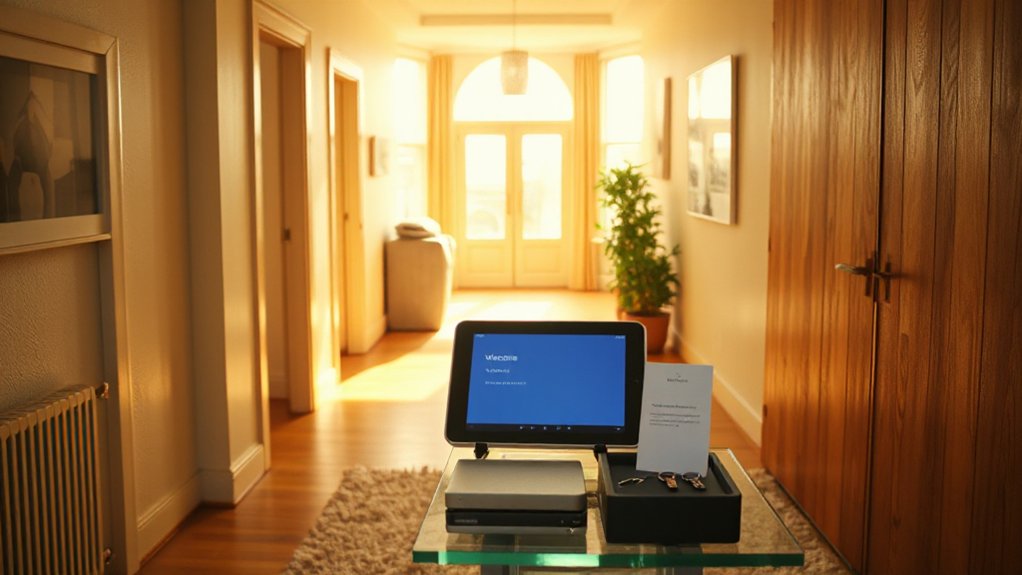
Effortless check-in starts the guest experience on the right note. You’ll set the tone for a smooth stay by simplifying arrivals and signaling reliability from day one. Use check in automation to share clear, time-friendly instructions, and keep guest communication proactive but concise. A streamlined process reduces inquiries and speeds turnover, boosting your hosting efficiency and guest satisfaction.
- Pre-arrival welcome with access details and exact arrival window
- Self-check-in options plus a quick help contact
- Clear steps for entry, amenities, and house rules
- Automated confirmations and reminders to minimize back-and-forth
Together, these practices create a seamless first impression, minimize delays, and reinforce trust. Your guests feel taken care of, and you protect your occupancy metrics and income quality.
Local Knowledge as a Selling Point: Insider Tips That Add Value
Local knowledge isn’t a nice-to-have—it’s a differentiator that adds immediate value for guests. You’ll boost bookings by packaging authentic tips into a concise guide: where to sip, eat, and stroll beyond obvious spots. Highlight local traditions to create a sense of place, and share insider secrets that feel exclusive without being hard to access. Pre-pack core recommendations into two tiers: must-try experiences and hidden gems, each with practical details like best times, transit options, and approximate costs. Promote these in your listing and welcome pack, then refresh quarterly to stay fresh. Encourage guests to return for repeat experiences by offering updated tips mailers or a brief post-stay questionnaire. This approach raises perceived value, earns better reviews, and sustains higher nightly rates.
Calendar and Booking Efficiency: Turn Days Into Bookings
Certainly! Here’s the modified text with alternative words replacing “significantly”:
Importantly, you optimize your calendar to minimize gaps and maximize occupancy by forecasting demand, dynamic pricing, and rapid response times. With calendar management and booking optimization, you streamline inquiries into confirmed stays, reducing lag between inquiry and reservation. You’ll monitor trends, slots, and lead times to adjust availability proactively, and you’ll maintain a responsive stance to secure last-minute bookings. Precision in dates, minimum stays, and automated messages keeps guests engaged and reduces cancellations.
- Proactive rate adjustments during peak periods
- Instant reply templates to speed up confirmations
- Strategic blocking and opening of dates to balance demand
- automated pre-stay communications to prevent no-shows
Stay Compliant Across UK Cities: Regulations Made Simple
Regulatory requirements vary by city, so you’ll start by identifying local licensing needs and any cap on nights you can host. Next, you’ll align your practice with tax and reporting rules to avoid penalties and keep your accounts clean. We’ll explore practical steps to stay compliant across the UK, so your listings run smoothly and reliably.
Local Licensing Requirements
Have you checked the local licensing rules in the cities you plan to operate in? Local licensing requirements vary, so you’ll want a clear, practical plan to stay compliant while maximizing occupancy. Knowing the licensing laws helps you avoid fines and downtime, and keeps guest trust high. Here’s how to stay on top of changes:
- Verify whether short-term rentals need a specific license or registration
- Note license renewal cycles and required documentation
- Track occupancy caps, safety standards, and eviction rules
- Set up alerts for regulatory updates in each city
Tax and Reporting Rules
To stay compliant, you’ll need a clear, actionable plan for tax and reporting across different UK cities, focusing on what you must file, when it’s due, and how to keep records tidy. In practice, set up a calendar for quarterly VAT or tax submissions and local license renewals, if applicable. Track income, expenses, and occupancy data with receipts and notes, so you can justify deductions during audits. Prioritise accurate reporting compliance by separating business and personal finances, using clear categories for room, host fees, cleaning, utilities, and services. Use tax planning strategies to maximise allowable costs and reliefs, and align property income with appropriate tax bands. Review city-specific rules annually to avoid penalties and maintain a clean compliance record.
Guest Experience Wins: Turning Stays Into 5-Star Reviews
Happy guests stay longer and leave better reviews, so focus on seamless, anticipatory service from the moment they book. You’ll win 5-star feedback by nailing guest amenities and smooth check in procedures, every time. Anticipate needs with clear instructions, fast响应, and personal touches that feel thoughtful, not forced. Prepare a welcome note, local tips, and a clean, well-stocked space. Communicate timelines, parking, and access codes up front to reduce friction. After stay, request feedback with simple prompts and offer a quick resolution path for any issue. Consistency builds trust, so standardize routines across bookings and maintain spotless cleanliness.
- Clear arrival instructions and access details
- Thoughtful welcome touches and essentials
- Proactive issue resolution process
- Positive post-stay feedback requests
Revenue Levers Beyond Nightly Rate: Fees, Minimums, Seasonal Tweaks
Beyond the nightly rate, smart hosts tighten revenue with strategic fees, minimum stay rules, and seasonal tweaks that reflect demand. You tailor cleaning fees to cover turnover costs while staying competitive, avoiding price shock for guests. Use a modest minimum stay to balance occupancy and turnover, especially during peak weekends or holidays, then adjust after review cycles. Seasonal tweaks—higher rates for local events, shorter stays in shoulder periods—keep your calendar balanced without devaluing your listing. This approach preserves price integrity while streamlining operations. Align cleaning fees and minimum stay with comparable properties to maintain fairness and transparency. Monitor occupancy feedback, update policies quarterly, and communicate changes clearly in your listing. When executed consistently, these levers push revenue without sacrificing guest satisfaction.
Quick A/B Tests for Occupancy: Data-Driven Experiments
Running quick A/B tests on occupancy helps you tighten your calendar decisions without overhauling your entire strategy. You’ll run short, focused experiments to compare listing elements that affect occupancy, then apply clear insights to improve fill rates. Use simple variants—dates, minimum stays, instant booking, or price cues—and measure impact over a consistent period. Track the change in occupancy alongside guest quality signals to avoid trade-offs you can’t sustain. When you see a positive signal, implement promptly and monitor for stability. Stay disciplined: only test one element at a time, and document results for future reference. The goal is to drive steady occupancy optimization with repeatable, data-backed wins.
- Define a single hypothesis per test
- Use consistent timeframes for comparison
- Prioritize quick wins with clear lift
- Validate results before scaling
A/B testing, occupancy optimization.
Protecting Your Reputation: Handling Issues and Preserving Stars
Handling guest issues quickly and transparently is essential to protect your reputation and keep stars high. You’ll minimize fallout by acknowledging concerns within minutes, outlining concrete steps, and offering timely fixes. Use guest communication that’s calm, factual, and solution-focused, detailing what you’ll do, when, and why. Document every interaction to support reputation management, and follow up to confirm satisfaction. If a mistake occurs, own it promptly, apologize sincerely, and make amends beyond expectations when possible. Post-visit follow-ups reinforce trust and encourage positive reviews. Proactively share house rules and expectations before arrival to reduce friction. Monitor feedback patterns to identify recurring problems and implement operational tweaks. Quick responses, consistent tone, and visible ownership transform issues into opportunities to demonstrate value.
Frequently Asked Questions
How Do I Forecast Occupancy for Upcoming UK Seasons?
You forecast occupancy by tracking seasonal trends and booking patterns, updating forecasts weekly. Analyze historical data, adjust for events, and test scenarios; use occupancy targets, dynamic pricing, and lead-time insights to improve accuracy and boost bookings. Keep refining.
What City-Specific Permits Affect Airbnb Listings in the UK?
“Knowledge is power.” You must check city-by-city rules, because Local zoning and Permit regulations vary, affecting your listing. You’ll stay compliant, avoid fines, and protect profits by aligning your strategy with current permit requirements and approvals.
Which Fees Most Impact Guest Satisfaction in Hubs?
Cleaning fees and service charges most impact guest satisfaction in hubs. You should price transparently, highlight what’s included, and offer value—e.g., faster clean turnover, clear timelines, and responsive service to boost reviews and repeat bookings.
How Can I Prevent Common Guest Misunderstandings Early?
To prevent common guest misunderstandings early, you should sharpen guest communication and clarify house rules upfront, including check-in specifics and policies, to reduce misinterpretations and improve trust, ensuring misunderstanding prevention becomes your proactive, results-focused routine.
What Benchmarks Indicate Rising Demand in UK Hubs?
You’ll spot rising demand through seasonal trends and occupancy upticks in peak months. Track booking velocity and lead times, then tailor pricing strategies to capitalize on those spikes while maintaining competitive rates and consistent occupancy year-round.
Conclusion
You’ve scoped the hubs, priced like a local, and crafted listings that sell. You’ve set visuals that convert, descriptions that resonate, and guest experiences that spark 5-star memories. You’ve nudged occupancy with data-driven tweaks, protected your reputation with prompt responses, and layered revenue levers beyond nightly rate. You’ve tested, learned, optimized, and repeated. You’ve built momentum, captured bookings, and discovered consistent short-term success. You’ve turned insight into action, action into revenue, revenue into resilience. You’ve earned the edge.
About the Author