

Discover serviced accommodation that actually pays. You’ll win by choosing high-footfall locations near business hubs and essentials, designing a practical, easy-to-clean flat, and implementing dynamic pricing that adapts to demand. Streamline turnovers with checklists, automate arrivals, and maintain excellent guest communication to boost reviews. Prioritize reliability, safety, and cost control, then scale from one unit to a small portfolio with standardized playbooks and strong local partnerships. Ready to multiply occupancy and profits as you expand.
Key Takeaways
- Optimize location and accessibility to attract high-demand visitors from business hubs, universities, and medical campuses with strong transit links.
- Design a practical, durable flat with clear zones, quality beds, ample storage, reliable Wi-Fi, and responsive controls for guest comfort.
- Implement dynamic, data-driven pricing and calendar syncing across platforms to maximize occupancy and revenue.
- Standardize the guest experience with clear policies, automated check-in, prompt support, and proactive maintenance.
- Maintain rigorous turnover processes and stock management (linens, supplies) with audits to protect margins and ratings.
What Serviced Accommodation in the UK Is and Why It Works

Serviced accommodation in the UK refers to fully furnished, self-contained properties—such as flats, houses, or suites—that guests book for short- to mid-term stays. You choose properties designed for comfort and reliability, with predictable that-they’ll-work basics. The model works because operators combine hotel-style convenience with home-like space, streamlining bookings, cleaning, and maintenance under one umbrella. You benefit from consistent standards, flexible stays, and transparent pricing, while hosts optimize occupancy through occupancy analytics and responsive service. Interior decor matters: cohesive styling, practical layouts, durable furnishings, and thoughtful touches boost satisfaction and repeat bookings. Customer reviews guide expectations, shaping property improvements and trust. In short, SA thrives when you deliver reliable space, clear policies, and prompt, courteous support that meets short- and mid-term traveler needs.
How to Pick a Location for High Occupancy
Focus on prime visitor footfall to guarantee steady bookings, targeting areas with high daytime and evening traffic. Evaluate transportation accessibility options like rail and road links, plus reliable local transit for easy guest arrivals and exits. Monitor local demand signals such as event calendars, business hubs, and seasonal tourism patterns to time openings and pricing.
Prime Visitor Footfall
Where should you locate to attract the most beds per month? Focus on areas with high visitor demand and steady turnover. Prioritize neighborhoods near business hubs, universities, and medical campuses, where bookings spike midweek and weekends alike. Validate footfall with occupancy data from short‑term rental platforms and local events calendars. Map demand by season, then align pricing, short minimum stays, and flexible check‑in windows to capitalize on peaks. Guarantee your property stands out with practical guest amenities and thoughtful layouts that suit longer stays. Close to local attractions keeps guests engaged during downtime, boosting reviews and repeat bookings. Avoid long commutes; situate within walkable reach of dining options and essentials. A strong location drives occupancy and revenue stability.
Transportation Accessibility Options
Operational access often dictates occupancy more than any single neighborhood, so prioritize locations with fast, easy transit links and predictable hands-on travel times. When evaluating sites, map nearby transportation options and estimate door-to-door journeys for typical guests. Favor areas with reliable rail, bus, and airport connectivity, plus walkable stops to reduce friction. Consider peak-hour reliability, not just off-peak flair, and prefer zones with frequent service and clear timetables. Assess parking and drop-off options to minimize guest complaints about accessibility. Align with mobility solutions like bike lanes, scooter-friendly corridors, and accessible entrances to broaden appeal. Communicate transit strengths in listings, emphasizing predictable commute times and multi-modal routes. This clarity helps you sustain high occupancy through robust, guest-centric transportation advantages.
Local Demand Signals
Local demand signals reveal where guests actually want to stay. You use data to guide location choices, not vibes or vibes alone. Track occupancy trends, seasonal shifts, and area events to spot high-demand pockets. Consider short-term fluctuations, but value persistent patterns in neighborhoods with strong local demand and steady guest preferences. Map proximity to transport hubs, eateries, and attractions, yet verify that demand isn’t a one-off spike. Analyze review themes from competitors to uncover what guests prefer in a given area, then tailor your listing accordingly. Prioritize locations with reliable turnover, clear safety signals, and predictable booking windows. Use this insight to select a base that aligns with guest preferences, ensuring higher occupancy and sustainable pricing.
Designing a Practical, Appealing Flat for Short Stays
A practical, appealing flat for short stays starts with a clear, efficient layout that flows from entry to retreat. You guide guests with logical zones: welcome, living, sleeping, bathing, plus flexible dining. Prioritize durable, easy-clean finishes and clever storage that hides clutter. Emphasize comfort with a supportive bed, good lighting, and quiet HVAC. Keep操作 intuitive: single thermostat, universal plugs, and labeled drawers. For aesthetics, blend Garden landscaping cues with Interior decor accents to create a calm, cohesive vibe. Invest in versatile furniture that folds or stows, maximizing space without sacrificing function. Supply practical amenities, from high-speed Wi‑Fi to ample charging spots, and maintain pristine, consistent presentation across rooms. Respect safety, accessibility, and local regulations for a smooth guest experience.
- Garden landscaping and interior decor synergy
- Flexible, space-saving furniture choices
- Thoughtful lighting and climate control
- Clear, accessible safety and info signage
Pricing Your UK Serviced Flat to Maximize Occupancy and Revenue

Dynamic Nightly Rates and Seasonal Occupancy Strategy shape your pricing. Set flexible, data-driven rates to capture high-demand periods while protecting baseline occupancy during slower weeks. You’ll balance competitively with demand signals to maximize both occupancy and revenue.
Dynamic Nightly Rates
To maximize occupancy and revenue for your UK serviced flat, adjust nightly rates in real time based on demand, competition, and lead time. You’ll stay competitive by monitoring occupancy trends, nearby listings, and booking windows, then tune prices accordingly. Keep data-driven pricing simple: set a base rate, apply rapid adjustments, and flag anomalies before guests notice. Guarantee guest reviews and cleaning schedules inform your strategy, using feedback to refine value without overdiscounting. Practical execution beats theory: automate where possible, review daily, and test minor rate moves during shoulder periods.
- Monitor demand signals and adjust within a tight range
- Compare competitors’ pricing and update your base rate
- Use lead-time psychology to optimize early bookings
- Align pricing with cleaning schedules and occupancy goals
Seasonal Occupancy Strategy
Seasonal demand drives occupancy spikes and dips, so price where demand is strongest and pad the gaps with smart, data-backed adjustments. You’ll map peak periods from booking windows, events, and holidays, then set tiered rates that reflect true value. Use a baseline nightly price and anchor seasonal promotions to create clarity for guests and protect your margins. Implement dynamic floor and ceiling limits to avoid sudden deep cuts or outsized jumps. Align minimum stay rules with turnover needs, tightening during high-demand weeks and loosening when demand slows. Highlight Off peak discounts to entice slower periods while preserving average daily rate in busier times. Communicate clearly about seasonal promotions to manage expectations and optimize occupancy without eroding revenue.
Turning Short Stays Into Consistent Bookings
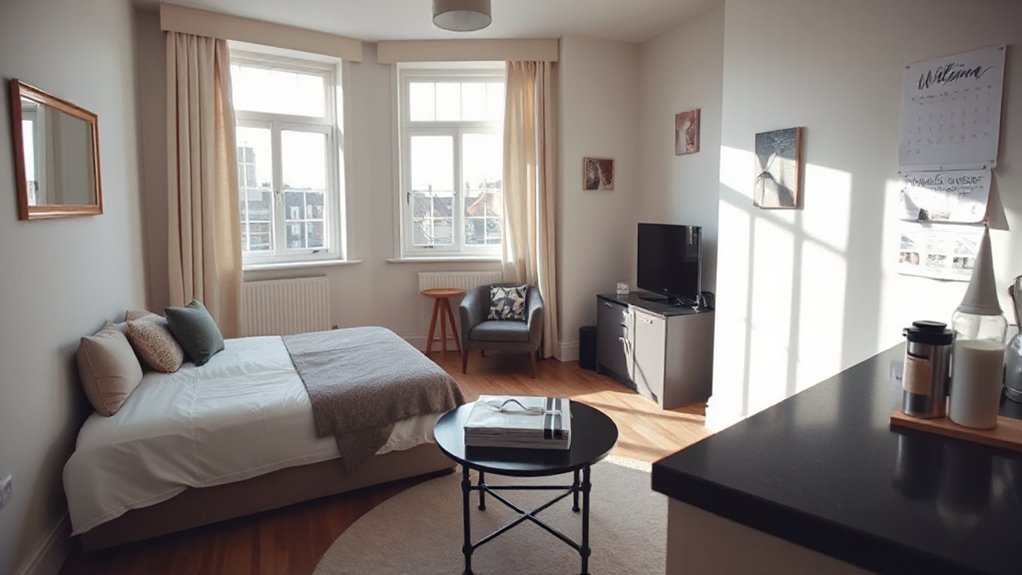
Turning short stays into consistent bookings starts with clarity: you must align pricing, availability, and guest experience so stays feel seamless and repeatable.
- Set transparent pricing tiers and minimum stays to prevent last-minute gaps
- Sync calendars across platforms to avoid double bookings and show accurate availability
- Highlight guest amenities and local attractions to differentiate your listing
- Establish a consistent check-in flow, welcome message, and response times for reliability
With a clear system, you build trust and repeat business. Guests value predictability, quick replies, and ease of stay. Regularly review occupancy patterns, adjust pricing for demand, and keep your messaging concise and helpful. Emphasize thoughtful touches—local guidance, smart amenities, and smooth arrivals—and you’ll convert short stays into loyal, recurring bookings.
Streamlining Turnovers: Cleaning, Linen, and Stock Management
Efficient turnovers hinge on a tight cycle of cleaning, linen routing, and stock control. You implement a fixed sweep: assign tasks, track progress, and finish within the target window. Cleaning schedules drive consistency; map each room’s duties, timing, and quality checks to avoid delays. Use checklists to guarantee you don’t miss spots, apps to log completion, and a cleanup buffer for unexpected messes. Linen logistics demand clear ownership—segregate dirty, in-progress, and ready-for-use linen, and rotate stock to prevent shortages. Centralized stock storage with labeled bins speeds replenishment and reduces misplacement. Audit cadence matters: weekly inventory, monthly supply reviews, and quarterly supplier renegotiations keep costs predictable. Train staff on standards, empower rapid decision-making, and document deviations to tighten future turnovers.
Onboarding Guests: Simple, Automated Check-In and Communication
To keep turnover speed consistent, onboarding guests with simple, automated check-in and clear communications should start the moment a booking is confirmed. You’ll use check in automation to deliver access codes, arrival windows, and essential instructions, reducing front-desk friction and guest waiting time. Communicate upfront about guest amenities, parking, and contact points so questions are minimal upon arrival. Automations should trigger reminders, house rules, and local tips, keeping guests informed without overwhelming them. Maintain a concise tone and offer a single point of contact for support during check-in.
- Automated welcome message with access details and check-in window
- Clear directions, parking info, and guest amenities overview
- 24/7 support channel and escalation path
- Post-check-in checklists and feedback prompts
Delivering Five-Star Guest Experiences on a Budget
Delivering five-star guest experiences on a budget isn’t about pricey theatrics—it’s about thoughtful, repeatable touches that feel premium. You provide value by prioritizing reliability, speed, and consistency. Start with a curated welcome: a handwritten note, local snack, and a clean, fresh-smelling space. Invest in durable luxury amenities that guests notice but don’t break the bank—quality towels, a coffee station, smart lighting, and a quiet mattress. Clear, concise house manuals reduce questions and set expectations, boosting guest reviews. Streamline turnover with checklists that ensure every stay meets the same standard, every time. Anticipate needs by stocking essentials you know travelers forget, like adapters and toiletries. Small, thoughtful gestures compound into repeat bookings, earned through consistent performance and visible care.
UK Regulations and Compliance: What You Must Know
You need to understand licensing and permits, tax and VAT rules, and safety and compliance because they shape every hosted stay. We’ll outline what you must register for, how taxes apply, and the essential safety standards you must meet. Get ready to align your property with the rules now, so your operation runs cleanly and avoids costly pitfalls.
Licensing and Permits
Licensing and permits are non-negotiable for UK serviced accommodation. You must understand the framework, keep records, and act promptly when rules change. Your focus is on staying compliant to avoid fines and closures. Licensing requirements and permit applications shape where you operate, how you run the property, and when you can welcome guests.
- Confirm property class and use with your local council
- Check if an HMO license or short-term let permit is required
- Prepare safety checks and tenancy records for audits
- Submit renewals ahead of expiry and update changes promptly
Know deadlines, fees, and documentation you’ll need. If unsure, contact the council early to clarify licensing requirements and streamline permit applications, reducing delays and keeping your occupancy on track.
Tax and VAT Rules
Tax and VAT rules govern how your serviced accommodation taxes are calculated, reported, and paid in the UK. You’ll determine VAT relevance based on turnover thresholds and the type of rental activity, then register if required. You must charge VAT to eligible customers and file periodic returns, keeping precise records of occupancy, receipts, and exemptions. Understand the difference between standard, reduced, and zero rates, plus any applicable reliefs for furnished holiday lets, if you qualify. Keep VAT invoices clear, include your VAT number, and separate line items for room charges and services. Client-facing touches matter too: guest amenities should be clearly priced and described, avoiding hidden fees. Pay attention to input tax recovery on business purchases. Interior design choices influence costs, depreciation, and compliance viability.
Safety and Compliance
Steering safety and compliance for serviced accommodation isn’t optional—it’s mandatory. You must know UK regulations and keep your property prepared for inspections. Prioritize safety protocols and verify you meet all compliance standards before hosting guests. A proactive approach protects guests and your business, reducing liability and fines.
- Establish clear safety protocols: fire risks, exits, alarms, first aid, and gas/electric checks
- Obtain mandatory licenses and registrations where required, and renew on time
- Maintain records: safety checks, maintenance logs, and incident reporting
- Implement guest guidelines and staff training to enforce compliance standards consistently
Stay updated on changes to legislation and local bylaws, and schedule regular audits. By embedding these practices, you safeguard guests, safeguard income, and sustain long-term success.
Revenue Management: Dynamic Pricing and Seasonal Trends
Dynamic pricing isn’t just a fancy tool—it’s a revenue lever. You’ll set base rates and adjust them in real time, balancing occupancy with profitability. Track demand signals: local events, holidays, school terms, and weekday vs weekend patterns. Use a flexible calendar to test price tiers and avoid missed bookings during peak periods. Implement pricing strategies that factor lead time, stay length, and guest segments, then monitor competitive rates to stay competitive without eroding margins. Seasonal fluctuations require anticipation: pre‑season promotions, minimum stay rules, and dynamic minimums to protect value. Automate where possible, but review manually during high volatility weeks. Communicate value clearly in your listing, so guests perceive the price as fair for the quality you deliver.
Marketing Your UK Serviced Flat: Listings, Photos, and Descriptions
Your listings grab attention with eye-catching photos and a tight, compelling description. Use clear, bright images that show every key room, and pair them with a concise text that sets expectations and highlights unique perks. This is how you start conversations with prospective guests and drive more bookings.
Eye-Catching Listings Photos
High-quality listing photos grab attention fast and set clear expectations for guests. You’ll maximize bookings by showcasing spaces that feel inviting and honest, avoiding over-editing that distorts scale or features. Use wide shots for layout, then close-ups for details like textures and amenities. Include room-to-room variety and a bright, tidy overall vibe.
- Show the living area, kitchen, bedroom, and bathroom with natural light
- Highlight standout features like creative decor and smart storage
- Use consistent angles and minimal clutter for credibility
- Add a caption that mentions local attractions nearby
Your photos should reflect reality, so guests know what to expect upon arrival. This builds trust, reduces inquiries, and signals strong service.
Compelling Property Descriptions
Craft a compelling property description that complements your photos by clearly outlining what’s inside, what makes the space unique, and how it benefits guests. You should present a concise snapshot of layout, beds, storage, and key appliances, then highlight standout features that justify the price and stay length. Emphasize flow, natural light, and quiet zones, so guests picture themselves arriving and relaxing quickly. Use active language to connect benefits to needs, such as “you’ll love the king bed after long travel” or “enjoy fast Wi‑Fi for remote work.” Include Luxury amenities and thoughtful touches, like a coffee setup, blackout curtains, or climate control. Mention local attractions briefly, helping guests gauge value and plan outings, without turning the description into a travel guide.
Protecting Your Bottom Line: Insurance and Security
Do you know the true cost of disruption? Protecting your bottom line starts with solid insurance and tight security. You’ll review coverage for property, contents, public liability, and business interruption, ensuring limits meet potential losses. Verify claims processes, incident reporting, and renewal timing so gaps don’t bite you during peak occupancy. Pair this with practical security: smart locks, CCTV where appropriate, and clear access controls for cleaners and guests. Build resilience by standardizing guest amenities and a clean, trackable inventory to simplify disputes. Forge local partnerships with insurers, trades, and security vendors to negotiate favorable terms and rapid support.
- All-encompassing coverage tailored to short-term rentals
- Quick incident reporting and documented processes
- Proven security tech aligned with property type
- Local partnerships for faster, reliable service
Scaling From One Flat to a Small Managed Portfolio
Scaling from one flat to a small managed portfolio means putting repeatable systems in place so growth isn’t chaotic. You design a core operating playbook: standardized checklists, booking rules, pricing bands, and onboarding flows for each new unit. Automate tasks where practical, from guest messaging to cleaning schedules, and document exceptions to prevent drift. Hire a small, reliable team and assign clear roles to preserve quality as you scale. Build Local partnerships with cleaners, handymen, and suppliers so you can replicate service levels across properties. Prioritize guest amenities that travel well between units—uniform toiletries, consistent Wi‑Fi, and smart access. Track performance at the unit level to identify what’s scalable, then replicate successful setups across the portfolio while maintaining tight cost control.
Measuring Success: Key KPIs and Continuous Improvement
To measure success in a growing serviced accommodation portfolio, you’ll establish clear KPIs that reflect both guest experience and operational efficiency. You’ll track guest feedback, occupancy, average daily rate, and net promoter score to gauge satisfaction and revenue health. Tie these metrics to continuous improvement by reviewing trends monthly, identifying bottlenecks, and prioritizing actions. Focus on timely Maintenance scheduling, preventive upkeep, and rapid issue resolution to protect ratings. Use data to set targets, compare properties, and allocate resources where impact is greatest. Communicate results with your team to sustain accountability. Regular audits, feedback loops, and disciplined experimentation underpin growth.
- Guest feedback trends and sentiment
- Occupancy, ADR, and revenue per available room
- Maintenance scheduling and preventive maintenance
- Actionable improvement cycles with owner/tenant updates
Frequently Asked Questions
How Quickly Can I Start Earning From a UK Serviced Flat?
You can start earning in days, not weeks, by listing promptly and optimizing pricing. Focus on short term rentals and guest communication to secure bookings, boost reviews, and maintain occupancy, while adjusting your strategy as demand shifts.
What Are the Hidden Costs of Running SA in the UK?
Hidden costs aren’t mythical—they exist. You’ll face property management fees, cleaning, utilities, insurance, licenses, maintenance, and advertising. Realize occupancy rates drive cash flow; neglect them and profits shrink, even if nightly rates look attractive. Stay disciplined, plan contingencies, monitor metrics.
Can I Legally Operate SA Without a Licensed Entity?
No, you can’t operate SA legally without a licensed entity. Guarantee legal compliance by obtaining the necessary licensing requirements, registering your business, and following tenancy, safety, and tax obligations before hosting guests.
How Do Guest Reviews Impact Long-Term Occupancy?
Guest feedback shapes long-term occupancy: timely responses boost trust, set expectations, and encourage repeat stays. Implement proactive review management, flag patterns, and optimize listings. Actively solicit reviews after stays, addressing concerns to sustain higher occupancy and improved ratings.
What Are Common Tax Implications for Hosts?
You’ll typically face income tax on earnings, plus potential NI if self-employed; consider deductions. Acknowledge that many hosts save with Tax deductions and insurance requirements, often saving 20-30% upfront by claiming legitimate business expenses and coverage.
Conclusion
You’ve seen the framework, now run with it. Serviced accommodation isn’t a pipe dream—it’s a practical path when you pick smart locations, craft appealing spaces, and price for steady demand. Focus on consistent bookings, transparent listings, and tight controls on costs. Build a small, scalable portfolio and measure the right KPIs to guide improvements. Keep expectations grounded, leverage routine optimizations, and you’ll drift toward sustainable profit without overextending yourself. In short, progress patiently, profitably, pragmatically.
About the Author