

New-builds offer cleaner, more predictable cash flows with lower immediate maintenance, while period properties deliver resilience and longer-term value in heritage-rich areas. If you prioritise steady occupancy, lower capex, and clearer budgeting, lean toward new-builds for core growth. If you seek rent growth from character, equity protection in cyclical downturns, and premium demand in historic locales, mix in period assets. A balanced portfolio often outperforms single-type strategies, and you’ll uncover more nuance as you continue.
Key Takeaways
- New-builds offer lower initial maintenance and predictable lifecycle costs, boosting short-term cash flow stability for UK landlords.
- Period properties attract premium rents and lower turnover, leveraging character and occupancy stability in resilient locations.
- A hybrid portfolio mix can balance risk, using new-builds for reliability and period homes for growth potential.
- Vacancy and maintenance risk vary by market cycle; stress-test rents and capex to evaluate true yield trajectories.
- Align asset choice with portfolio goals, tax considerations, planning constraints, and long-term capital preservation.
Diagnostic: Should You Buy New-Build or Period Homes for Your Portfolio?

When deciding between new-build and period homes for a portfolio, you should start by weighing total cost of ownership, including upfront price, financing terms, maintenance needs, and depreciation advantages. You’ll assess capital outlay against expected cash flow, then map risk across cycles using property data. Consider long-run maintenance cycles, reliability of systems, and refurb costs, which influence net yield. You’ll also factor appetite for selective tax benefits tied to depreciation and any grants, plus potential vacancy volatility. In parallel, analyze Property aesthetics and Neighborhood trends to anticipate renter appeal, resale momentum, and planning constraints. This diagnostic guides your strategy: lean toward assets with predictable operating costs and durable demand, while rotating exposure between capital appreciation drivers and income stability. Align decisions with your portfolio’s risk tolerance and time horizon.
How to Measure Yield: New-Build vs Period Properties in the UK
Yield measurement differs sharply between new-build and period properties in the UK. You’ll compare net income against property cost, then annualize to get yield, but the inputs differ by asset type. For new-builds, use fixed rental bands, lower void risk, and depreciation-free maintenance assumptions, adjusting for Stamp Duty and mortgage costs. For period properties, account for higher maintenance expectations, potential refurbishment costs, and vacancy spikes after tenants move out. Market trends shape typical yields across regions, while renovation strategies can release extra rent if you time improvements to align with demand. Use standardized gross-to-net calculations, incorporate letting agent fees, and apply consistent tax-adjusted cash flow. Finally, stress-test scenarios with varying rent and capex to compare overall yield trajectories between asset classes.
Maintenance Costs: Ongoing Repairs by Build Type
Ongoing repair costs and maintenance frequency differ by build type, influencing your long-term cash flow and planning. We’ll compare how period properties vs. new builds exhibit distinct repair patterns, with data on common failure points and seasonal maintenance cycles. Expect a concise view of longevity impacts and cost trajectories to inform your investment decisions.
Ongoing Repair Costs
Open-balance maintenance costs vary by build type, with new builds typically presenting lower immediate repair needs but higher long-term lifecycle costs, while period properties often incur more frequent maintenance due to aging components.
- Age difference shapes component longevity and replacement timing
- Aesthetic appeal affects landlord appetite for ongoing upkeep and repaint cycles
- Material quality informs day-to-day repair frequency and supplier costs
- Planned maintenance plans standardise budgeting across asset types
You’ll see lower short-term fixes on new builds, but expect higher costs later from systems wear and finish upgrades. Period properties demand more regular touch-ups, lead paint or plaster renewals, and historic fabric care. Data shows variance in monthly maintenance outlays by asset class, not just condition. Align your budgeting with asset-specific life cycles, prioritising predictable replacements, and benchmarking against peers to optimise ongoing repair spend.
Maintenance Frequency Differences
Maintenance frequency diverges by build type because aging components—and the wear patterns they follow—drive routine repairs at different cadences. In period properties, you’ll see more frequent minor fixes tied to traditional systems and materials, such as timber elements, plaster, and sash windows, requiring targeted maintenance schedules and budgeting for preservative care. By contrast, new-builds benefit from standardized components and factory-finished interiors, yielding longer intervals between routine upkeep but concentrated in trade-offs like sealant replacement or HVAC calibration. Across portfolios, historical architecture often demands proactive planning around renovation techniques to preserve character without compromising performance. Track failure modes, inspection intervals, and deterioration timelines to forecast costs and optimize maintenance rosters for steady occupancy and tenant satisfaction. This approach informs capital planning and risk management.
Build-Type Longevity Impact
Although aging components drive more frequent minor repairs in period properties, the cost trajectory for new-builds tends to skew toward fewer but larger maintenance events, shifting the financial burden from routine fixes to scheduled overhauls and premium-system recalibrations. You’ll see longevity linked to build-type choices, with newer schemes benefiting from advanced materials and modular design, yet facing higher upfront retrofitting costs if evolving standards emerge. In ongoing ownership, maintenance spend per year often stabilizes sooner for new-builds, while period properties exhibit spike clusters tied to fabric degradation and component cycles. Consider how building materials influence reliability, and how land valuation pressures shape budgeting and resale. Long-term returns depend on resilience, not merely initial price.
- Material resilience and lifecycle costs
- Schedule-driven overhauls vs. reactive repairs
- Land valuation implications for capital planning
- Upgrade cycles and value retention
Tax Implications by Asset Type: What Landlords Need to Know
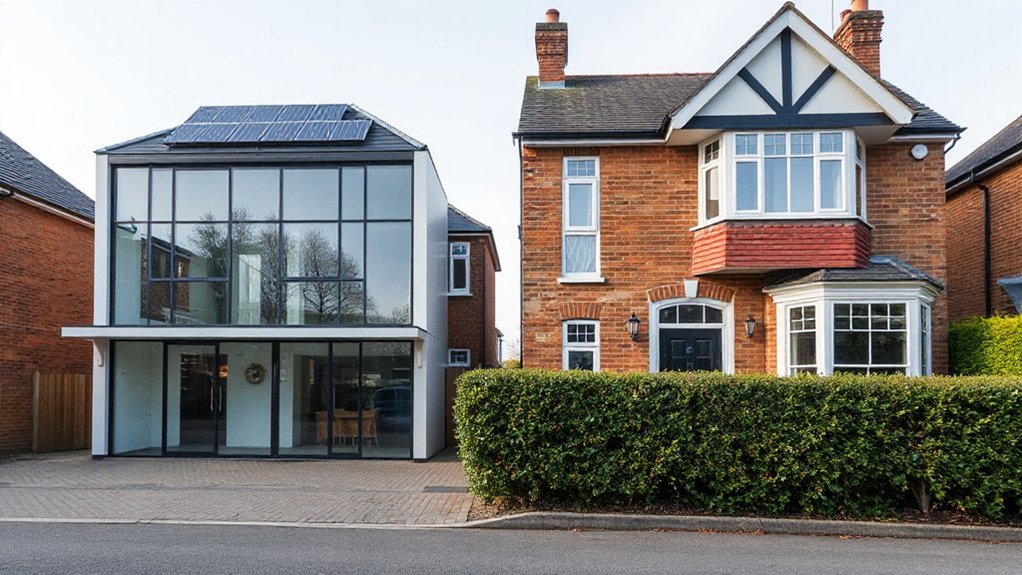
Understanding tax implications by asset type is essential for landlords because how you hold and categorize property directly shapes deductions, depreciation schedules, and overall cash flow. You’ll encounter distinct rules for buy-to-let properties, company structures, and mixed-use assets, which affect reliefs, allowances, and timing of taxable events. Tax strategies hinge on how you allocate costs between acquisition, improvement, and refurbishment, as well as whether you apply capital allowances or standard depreciation. Valuation methods influence considered income, mortgage interest relief, and stamp duty implications, so precise categorization matters. Keep accuracy on property class, lease type, and rental activity to optimize cash flow. Stay current on HMRC guidance, and model scenarios to compare after-tax outcomes across asset types.
Long-Term Value: Capital Appreciation for New-Builds vs Period Homes
New-builds and period homes each offer distinct long-term value profiles, but capital appreciation hinges on supply constraints, location desirability, and market cycles rather than build age alone. You’ll see that growth isn’t guaranteed by type; it’s driven by demand dynamics, planning controls, and neighborhood evolution over decades.
- Historical significance boosts premium when tied to iconic streets or conservation areas
- Architectural style matters for attractor buyers and rental demand at premium tariffs
- Location quality, transport links, and school catchments often outweigh age in value trajectories
- Market cycles dictate timing of peaks more than whether a home is new or old
In practice, you’ll compare price trajectories, not labels, and track whether upgrades preserve or unlock value. Data-driven patterns show similar long-run CAGR when fundamentals align.
Financing Realities: Lenders’ Attitudes to New-Builds and Period Homes
Financing today hinges on lender appetite for risk, collateral quality, and borrower leverage, with notable distinctions between new-builds and period homes. You’ll find lenders weighing build quality, boilerplate warranties, and modern compliance alongside traditional property characteristics. New-builds often attract quicker approvals and more favorable loan-to-value ratios when developers offer robust guarantees and transparent pricing, yet some lenders cap leverage on unfinished stock or demand project-by-project due diligence. Period homes, by contrast, can trigger higher interest rates or stricter criteria due to upkeep costs and perceived market fragility, unless you demonstrate robust refurbishment plans and proven rentability. Historical significance and aesthetic appeal influence demand but may complicate collateral assessments, affecting underwriting timelines. In both cases, presenting evidence-based cash-flow projections and maintenance strategies remains essential.
Stamp Duty, Incentives, and Cash Flow Impacts

You’ll see how Stamp Duty varies between new-build and period properties, with potential thresholds and exemptions shaping upfront costs. Incentives can alter both purchase price and ongoing value, so we’ll quantify impact ranges and likelihoods across typical scenarios. Cash flow differences emerge from timing, tax reliefs, and maintenance expectations, guiding your short- and long-term decision.
Stamp Duty Differences
Stamp duty differences between new-build and period properties can considerably sway cash flow and overall ROI. You’ll compare rates, reliefs, and thresholds to forecast upfront costs and post-purchase affordability. The gap in SDLT treatment often hinges on occupancy status, property price, and whether you’re reclaiming rebates. You’ll also weigh how incentives and transitional policies influence net cash flow across hold periods.
- Compare SDLT bands for your target price point and occupancy type
- Consider potential exemptions, refunds, or reliefs applying to new builds
- Assess how higher construction quality or aesthetics affect resale value and tax posture
- Factor in timing of completion to align with current tax rules
Property aesthetics and construction quality subtly shape ROI through demand, value, and depreciation assumptions.
Incentives Impact
Incentives can materially alter both upfront costs and ongoing cash flow, making it essential to quantify how Stamp Duty reliefs, rebates, and progression policies shift your ROI. You’ll see how incentive structures shape acquisition economics, from reduced purchase tax to staged discounts tied to build milestones. Policy impacts vary by asset type and tenancy regime, altering hold-period risk and financing terms. When you model scenarios, include VAT boundaries, relief ceilings, and potential clawbacks, as these affect net yield and resale value. Robust sensitivity testing clarifies break-even points under different market cycles. Use transparent assumptions so your projections withstand scrutiny from lenders and partners. To put it concisely, incentives, properly mapped, can materially tilt advantage toward either new-build or period properties depending on your portfolio strategy.
Cash Flow Variances
Cash flow variances hinge on how Stamp Duty, incentives, and ongoing cash requirements interact across deal types. You’ll see how upfront costs, plus periodic charges, shift net returns between new-build and period properties, especially as market fluctuations press cap rates and resale expectations. In periods of volatility, incentives can tilt the breakeven horizon, while Stamp Duty thresholds alter the initial cash-outlay for each asset class. Your cash flow model should separate renovation planning impacts from core operating costs to clarify variability.
- Stamp Duty timing and rates vs. purchase price
- Incentive structure sensitivity across deal types
- Ongoing maintenance vs. renovation costs
- Market fluctuations and refinancing windows affecting cash flow
Tenant Demand and Vacancy Risk by Property Type
Tenant demand varies markedly between new-build and period properties, with occupancy trends driven by location, amenities, and perceived risk. You’ll see higher tenant preference for modern features in new builds, boosting sustained occupancy in urban renewals and commuter hubs. Yet period homes appeal to renters valuing character, location heritage, and larger plots, stabilizing demand where schools and transport links are strong. Vacancy stability hinges on supply mix, pricing discipline, and perceived risk by tenants during economic cycles. Data show lower turnover in period assets at premium locations, while new builds command steadier rent collections when shared amenities and energy efficiency attract long-tenure renters. Across both types, aligning product attributes with tenant preferences reduces vacancy risk and supports resilient cash flow.
Compliance and Safety Burdens: What Applies to Each Build Type
Compliance and safety obligations impose distinct burdens for new-builds and period properties, driven by design, codes, and occupancy expectations.
- New-builds align with modern fire, electrical, and mechanical standards, but can trigger frequent updates to maintain adherence and leverage digital building permits.
- Period properties demand heritage preservation considerations, tighter historic regulations, and careful integration with existing fabric and local planning constraints.
- Both types require risk-based maintenance programs, yet building permits processes differ in speed, scrutiny, and required documentation.
- Occupancy expectations influence tenant safety features, with period properties often needing discrete interventions to preserve character while meeting modern standards.
Across both, stay current on evolving guidance, ensure documented compliance trails, and anticipate inspector expectations to minimize disruptions.
Location Matters: How Build Type Affects Market Segments
Location matters: build type directly shapes demand across markets, with new-builds skewing toward investors and renters seeking modern performance while period properties attract buyers and tenants prioritizing character, heritage, and neighborhood authenticity. In this analysis, you’ll see how architectural styles steer buyer intent, with new-builds presenting sleek, modular design cues that appeal to yield-focused portfolios and first-time renters chasing efficiency. Period properties, by contrast, leverage historical significance to attract higher premiums in established locales and affluent submarkets, where walkability and community depth drive demand. Data indicates mix-adjusted rents and resale intervals correlate with local supply of heritage stock and planning constraints. Across markets, aligning asset strategy with built-form signals helps optimize occupancy, price resilience, and long-term capital preservation.
Insurance and Risk Management for New-Builds vs Period Homes
Insurance and risk management considerations differ markedly between new-builds and period homes, driven by construction standards, materials, and occupancy patterns.
You’ll want precise risk profiling for each asset type, focusing on policy scopes, claim history, and replacement costs. For new-builds, expect robust warranties, lower short-term defect risk, and insurer emphasis on contractor controls. For period homes, anticipate higher contents valuation, fire exposure, and maintenance-related liability. Key levers include aligning property renovation plans with insurer requirements and documenting Lease agreements to prove occupancy stability. Proactively schedule inspections, maintain ongoing compliance, and update risk registers as projects evolve.
- Property renovation impact on coverage and endorsements
- Builder compliance and warranty considerations
- Occupancy patterns and liability exposure
- Documentation standards for seamless claims processing
Lifecycle Costs: Depreciation, Repairs, and Obsolescence
You’ll see how depreciation paths differ between new-builds and period properties, and how that shapes long-term value. We’ll compare depreciation trajectories, repair frequency and costs, and obsolescence risks to separate clear financial implications. By grounding estimates in typical maintenance cycles and market data, you’ll be positioned to forecast total lifecycle costs with greater precision.
Depreciation Trajectory Over Time
Depreciation follows a defined trajectory that reflects aging asset value, mounting repair costs, and narrowing functional relevance. You’ll see value erode initially at a steady pace, then accelerate as systems near replacement thresholds, with residual obsolescence restraining usage. Over time, historical appreciation can offer a counterpoint when demand remains robust, but it seldom reverses core depreciation trends. Market stability underpins long-horizon cash-flow planning, even as asset classes diverge in resilience.
- Aging components accelerate expenses and reduce utility
- Maintenance costs rise disproportionately to inflation
- Obsolescence narrows leasing demand and rent growth
- Historical appreciation and market stability frame long-term returns
Repair and Obsolescence Costs
Repair and obsolescence costs tail the depreciation curve, but they also reshape practical profitability. You assess lifecycle costs to separate maintenance from genuine asset value, since repairs erode cash flow if deferred too long. Historical trends show higher retrofit needs in period properties due to aging systems, while new builds reduce routine disruption but face shorter-term obsolescence from evolving standards. You should model expected renewal cycles for key components—roofing, boilers, electrical—in each asset type, adjusting for usage intensity and tenancy turnover. Construction techniques influence cost profiles: modular, sealed systems in new builds can lower long-run repairs, whereas period properties demand bespoke fixes with premium labour. Incorporate contingency buffers for major refurbishments to protect yield against unforeseen obsolescence.
Real-World Scenarios: When a Builder-Grade Unit Wins or Loses
Real-world decisions often hinge on context, since builder-grade units can outperform or underperform depending on usage patterns, location, and demand timing. You’ll see scenarios where efficiency, speed, and lower upfront costs win in high-turn markets, while durability and long-term maintenance sway outcomes in stable or prestige-demand areas.
- Short-term rental hubs favor low capex and rapid turnover, even if rents are modest
- Historic corridors or urban renewal zones reward resilience and period-appeal over quick gains
- Legacy infrastructure or heavy-use units stress maintenance planning and replacement cycles
- Historical restoration projects can justify builder-grade efficiencies when demand timing aligns
In practice, weigh renovation cycles, regulatory risks, and tenant mix. When aligned with Historical restoration or Urban renewal momentum, builder-grade units sometimes outperform despite basic finishes.
Portfolio Strategy: When to Mix New-Builds With Period Homes
A balanced portfolio blends new-build efficiency with period-home appeal to optimize risk-adjusted returns, leveraging each asset type where it shines. You optimize mix by aligning tenant demand with asset characteristics, balancing yield with resilience. In practice, allocate core capital to well-located new-builds for modern facilities and predictable maintenance, then complement with period homes to capture rental growth through historical authenticity and enduring occupancy. Use a hybrid approach to hedge cycle risk: during downturns, higher tenant stability of period properties can offset depreciation in new-builds, while expansions ride the recovery as architectural styles regain premium appeal. Monitor supply dynamics, planning constraints, and price dispersion to recalibrate weights quarterly. Data-driven rebalancing preserves diversification, preserves cash flow, and sustains occupier desirability across evolving tenant segments. Historical authenticity reinforces value; architectural styles sustain differentiation.
Due Diligence Checklist Before Buying Either Asset
When you’re deciding between a new-build or a period home, rigorous due diligence sets the foundation for sound risk-adjusted returns. You’ll assess risk, cost, and compliance upfront to avoid surprises later.
- Verify planning history, permissions, and any listed status that affects renovations
- Evaluate building fabric, materials, and current condition against budgeted capex
- Assess historical significance and potential grants, subsidies, or restrictions
- Confirm developer reliability, warranties, and post-completion service commitments
This checklist keeps you aligned with projected yield, maintenance cadence, and regulatory risk. By cross-referencing surveys with market data, you’ll refine architectural style suitability, resale trajectory, and rental demand. Remember, disciplined due diligence reduces uncertainty and strengthens negotiating leverage for either asset class.
ROI Scenarios: What Returns to Expect Under Different Markets
ROI in real estate varies especially by market cycle and asset class, so you should anchor expectations to local price dynamics, cap rates, and rent growth projections rather than blanket returns. In practice, you’ll see higher cap rates in slower markets and compressed yields where demand runs hot, but that’s offset by vacancy and renovation costs. Under different markets, your returns hinge on rent growth trajectories and timing of entry, not just price appreciation. Market volatility can compress spreads or create mispriced assets, so stress-test scenarios for rent cushions and exit values. Consider tenant preferences driving lease structures, renovations, and amenity investments. Align your model with data on occupancy, renewal rates, and regional demand shifts to avoid over- or underestimating cash-on-cash returns.
Quick Diagnostic for Your Portfolio Goals: Make the Decision
You’ll align your portfolio with clear, data-driven goals using quick checkpoints that map to your target returns and risk tolerance. Use goal-oriented decision points to sift Build vs Buy options against your liquidity, yield targets, and holding horizon. Apply concise metrics—Build vs Buy estimates, timing, and capital deployment—to decide with confidence.
Quick Portfolio Alignment
To quickly align your portfolio with your goals, start with a focused diagnostic that maps your target outcomes to current holdings and timing. You’ll quantify required yields, cap rates, and required hold periods, then compare against your existing mix to spotlight gaps. Use a data-driven lens to forecast cash flow sensitivity, debt service, and exit scenarios under different market conditions. Consider how property aesthetics and zoning regulations influence desirability, rents, and redevelopment potential. Align decisions with portfolio diversification, liquidity needs, and risk tolerance.
- Assess current asset mix against target benchmarks
- Identify timing gaps and refinancing needs
- Evaluate cosmetic vs. capital expenditure impacts on value
- Map regulations, zoning, and planning constraints to ROI and exit options
Goal-Oriented Decision Points
You’ve mapped your portfolio goals and the gaps in your prior diagnostic, so it’s time to focus on goal-oriented decision points that keep you moving toward specific outcomes. You’ll translate targets into measurable criteria: rentability, cash flow, and risk tolerance, then vet options against those benchmarks. Prioritize property aesthetics that align with your tenant profile, ensuring the asset supports reliable occupancy without overinvesting. Weigh renovation challenges by forecasting scope, timing, and contingency needs, so you avoid budget creep and vacancy risk. Use data to test scenarios—compare cap rates, yield dispersion, and hold periods between new builds and period properties. Decide using a decision matrix that ranks findings by impact on your goals, transparency, and operational practicality. This disciplined approach keeps you achieving predictable, profitable outcomes.
Build vs Buy Metrics
Build vs Buy Metrics: a concise rapid diagnostic lets you quantify how new-builds and period properties align with your portfolio goals. You’ll compare capital outlay, supply-demand velocity, and ongoing costs to decide which asset fits your target risk‑adjusted returns. Use a quick rubric that weights historical renovation potential, environmental sustainability, and tenant demand shifts. The goal is to reveal hidden levers that drive yield, cap rate, and resale resilience across cycles.
- Quick capital and operating cost contrast, including maintenance trajectory
- Timeline to income versus construction risk for new-builds
- Impact of environmental sustainability on rent premiums and incentives
- Historical renovation opportunities as a pivot to value creation
Frequently Asked Questions
How Quickly Do New-Builds Rent Compared to Period Homes?
New-builds rent faster than period homes, on average, due to modern appeal and shorter void periods. You benefit from longer lease terms and predictable maintenance costs, but still compare demand, location, and tenancy turnover when pricing and marketing strategy.
Do Green vs. Brownfield Sites Affect Profitability?
Green sites boost profitability, but brownfields often require higher remediation, raising environmental impact concerns; you’ll pay higher construction costs upfront, yet you may access premium rents. You maximize returns by factoring environmental constraints and long-term site development timelines.
Which Asset Type Attracts Higher Tenant Retention Long-Term?
As you weigh asset types, you’ll find period properties win long-term retention better, like a sturdy oak standing the test of time. Tenant satisfaction remains higher, while maintenance costs creep up, influencing ongoing profitability and renewal decisions.
How Do Developer Warranties Impact Landlord Responsibilities?
Developer warranties shape your responsibilities by transferring certain defects to builders, reducing your immediate repair burden. This Warranty influence shifts liability implications toward the constructor, while you monitor compliance, guarantee coverage validity, and plan long-term maintenance accordingly.
Are There Regional Price Dynamics Favoring One Type?
Regional trends show price dynamics vary by region, with some markets favoring period properties and others favoring new-builds. You’ll notice market fluctuations driven by local demand, supply, and planning reforms shaping regional price trajectories.
Conclusion
In the end, your portfolio should sing in tune with your goals, not chase the loudest gear. New-builds can deliver consistent yields and modern efficiency, while period homes offer long-haul capital heft and resilience in price cycles. The data says diversification beats single-asset bets, but timing matters more than you’d expect. Mix thoughtfully, benchmark rigorously, and adapt as markets shift. Your ideal mix isn’t fixed—it’s a moving compass guided by risk, demand, and cashflow clarity.
About the Author