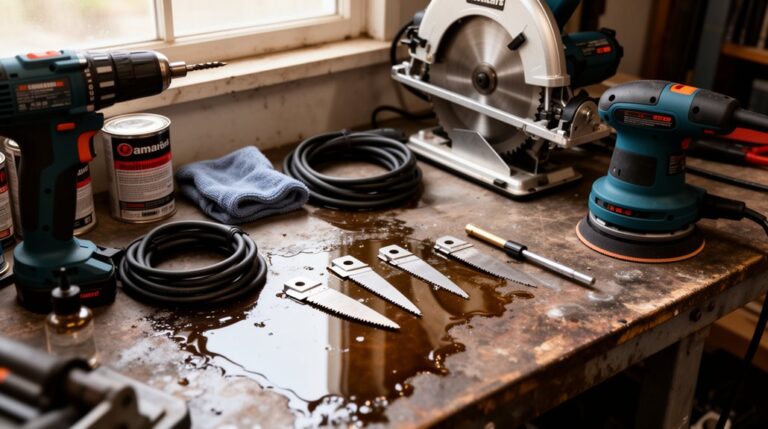
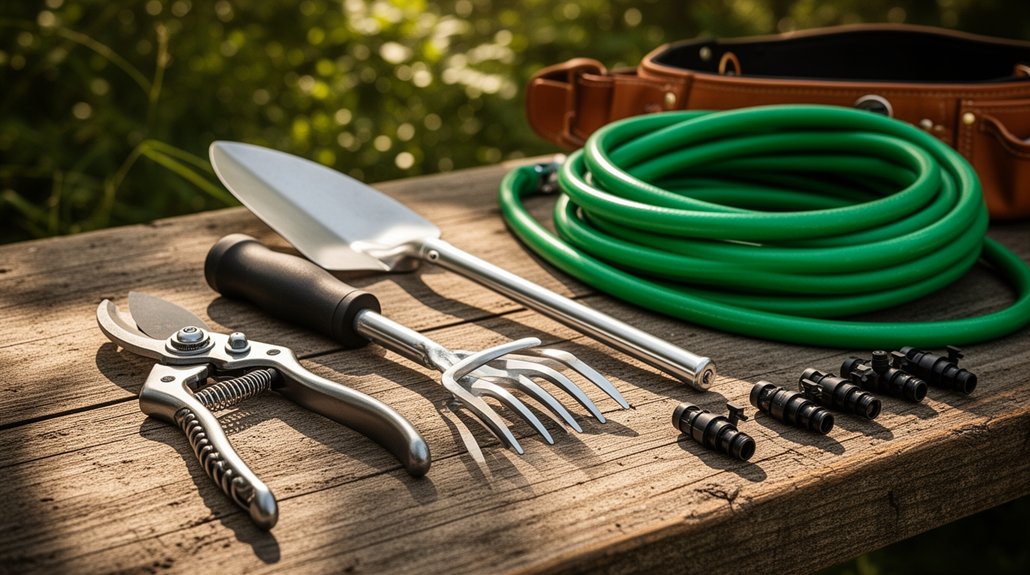
Equip yourself with a practical outdoor tool kit that covers pruners, shovels, and the essential cleanup gear. Choose pruners suited to live or tough cuts, and pick shovels and trowels tailored to your soil. Add sturdy hammers, levels, and a utility knife, plus weatherproof storage, wall grips, and pegboards. Prioritize safety gear, routine maintenance, and simple organization to save time and reduce strain. If you keep going, you’ll uncover more smart setup and care tips.
Key Takeaways
- Essential tool kit: pruners, shovels, tape measure, utility knife, pliers, screwdriver set, plus safety gear and a first-aid kit.
- Cutting & pruning care: choose bypass or anvil pruners, maintain sharp blades, and clean cuts above nodes.
- Shovels & soil tools: select pointed spade or rounded shovel, include trowels and cultivators for various soils.
- Storage & organization: weatherproof cabinets and pegboards with labeled compartments to maximize space and minimize bending.
- Maintenance & safety: inspect tools before use, clean and oil moving parts, store dry, and follow proper handling practices.
Foundations for a Ready-to-Use Outdoor Tool Kit

A ready-to-use outdoor tool kit starts with the basics you’ll actually use: a sturdy hammer, a tape measure, a utility knife, pliers, and a screwdriver set. You’ll also want a quality level, a chalk line, and a small pry bar to tackle quick fixes without drama. Organize the core kit in a durable bag or box, with clearly labeled compartments for tools you reach most. Consider safety: gloves, eye protection, and a first-aid kit should ride along. When you plan spaces, think garden aesthetics and outdoor lighting—tidy wiring, safe outlets, and low-voltage lighting readiness save headaches later. Keep a separate spare batteries and blades kit for uninterrupted work sessions. Regular checks prevent rust, loss, and downtimes.
How to Choose, Sharpen, and Use Pruners Properly
To choose, sharpen, and use pruners effectively, start with the right type for your tasks: bypass pruners for live pruning and anvil pruners for tougher cuts, then pick a comfortable grip and a high-quality steel blade. You’ll maximize control by matching blade size to branch diameter and keeping blades aligned. Practice precise pruning techniques: make clean, angled cuts just above a node, avoid tearing bark, and remove dead or crossing shoots to improve plant health. Sharpening is routine—strop or hone monthly, center the bevel, and don’t overheat blades. For longevity, inspect handles, locking mechanism, and blade alignment before each use. Mind blade replacement when dullness or nicks persist; install compatible blades promptly to maintain ideal pruning performance.
Shovels and Digging Tools for Any Yard Task
Shovels and digging tools are the workhorses of any yard, and choosing the right one saves time and effort. You’ll pick a tool that fits your task, from breaking ground to transplanting, so you work efficiently. Start with a sturdy handle and balanced head for control. For digging, use a pointed spade for compact soil and a rounded shovel for loose soil. When moving soil, a scoop or trench shovel keeps loads manageable. Consider a trowel for tight spaces and a cultivator for loosening root zones without heavy lifting. Always assess soil conditions and plan around Garden soil consistency. Protect Plant roots during transplantation by cutting clean margins and avoiding excessive pry. Clean, dry, and store tools to prevent rust and wear.
Hand Tools That Save Your Back During Cleanup

Digging through trash and debris is easier when you’ve got the right hand tools that save your back. You’ll notice a difference with long-handled rakes, upright grabbers, and wheeled carts that minimize bending and repetitive strain. Choose tools with ergonomic design, comfortable grips, and balanced weight to maintain neutral wrists and posture during cleanup. When you prune, sweep, or scoop, a D-grip or T-handle design reduces grip fatigue and increases control. Look for gear with reinforced shafts and corrosion-resistant heads to boost tool longevity. Prioritize lightweight construction without sacrificing strength, so you won’t compensate with awkward motions. Regularly inspect connectors and replace worn tips to keep performance reliable. With the right setup, you’ll finish cleanup faster and protect your back for the next project.
Protective Gear: Gloves and Safety Essentials for Gardening
Protective gear keeps gardening safe and efficient, so choose gloves and safety basics that fit well and stay reliable. You’ll protect your hands from thorns, irritants, and blisters with protective gloves that are snug yet flexible. Look for forms that allow tactile control for pruning and planting without sacrificing protection. Safety goggles shield your eyes from flying debris, splashes, and dust during cutting, grinding, and mixing soil amendments. Fit matters: opt for adjustable cuffs, breathable materials, and reinforced fingertips. Inspect gear before each session; replace torn gloves and scratched goggles promptly. Keep a small kit nearby with extra lenses, a microfiber cloth, and a wipe-clean mask if dust rises. Favor lightweight, durable options to maintain comfort and focus throughout your garden tasks.
Multitools and Garden Knives for Quick Fixes
You’ll reach for multitools and garden knives for quick fixes, so prioritize models with reliable blades and easy-grip handles. You want quick fix capabilities—from trimming stems to tightening bolts—without swapping tools mid-task. Choose tools that balance durability with blade versatility, so you’re ready for a range of common garden fixes.
Quick Fix Capabilities
Multitools and garden knives are your quick-fix toolkit when maintenance surprises you in the field. You’ll tackle tight spots, tighten loose parts, and cut away damage before it spreads. Choose compact multitools with a robust blade, small saw, and a screwdriver set so you can handle hinges, latches, and minor fractures on the spot. A sharp edge reduces effort and prevents further harm. For garden knives, pick a versatile blade that handles pruning, light digging, and material trimming without overcomplicating your gear. Prioritize corrosion resistance and secure locking mechanisms for safe, reliable access during quick repairs and emergency fixes. Keep blades clean, oiled, and capped, and store tools in a dedicated pouch to speed responses under pressure.
Durable Blade Versatility
Durable blade versatility matters most when quick fixes count, so choose multitools and garden knives that excel at pruning, trimming, and light digging without weighing you down. You want blades that stay sharp after daily use, resisting nicks and corrosion while you work. Look for high-carbon stainless steel, reinforced hinges, and secure locking mechanisms to guarantee safety and reliability. Blade durability isn’t just about strength; it’s about staying precise through mixed tasks, from delicate cuts to tougher pruning. Prioritize cutting versatility over novelty, so one tool handles shearing, scraping, and shaping without swapping gear. Maintain edges with simple honing and wipe-down routines to extend life. In practice, select a compact, ergonomic design that balances weight, grip, and stability for efficient quick fixes.
Smart Storage Solutions for All Your Garden Tools
Smart storage keeps tools ready and safe, so choose solutions that fit your space and workflow. You’ll want a system that minimizes clutter while maximizing accessibility. Start with smart containers for small items—tags, lubricants, spare blades—to keep everything visible and organized. Use Innovative racks to free floor space and hang tools by type, keeping pruners, shovels, and hoses within arm’s reach. Prioritize modular options that adapt as needs change, and mount units at comfortable heights to reduce bending. Label stations clearly to speed retrieval and return. Build a maintenance-free core with weatherproof housings and magnets for metal implements. Finally, create a dedicated, labeled zone for frequently used gear so you never hunt for what you need again.
Seasonal Tool Maintenance: Cleaning, Sharpening, and Lubrication

Now’s the time to establish a routine for cleaning, sharpening, and lubrication across your tools. We’ll cover practical techniques for removing grime, maintaining edges, and protecting moving parts to extend tool life. Start with a simple, repeatable checklist so you know your tools perform reliably season after season.
Cleaning Techniques For Tools
Keeping your tools clean after each use is essential for performance and longevity; start with the basics by removing dirt, sap, and rust-prone grime with a quick wipe and a brush. Focus on entry points and joints to prevent residue buildup that can hinder movement. Use soapy water for stubborn grime, then rinse and dry thoroughly to avoid moisture trapping. After drying, inspect handles and blades for cracks or looseness, tightening or replacing as needed. A light wipe with a cloth coated in mineral oil or a purpose-made tool conditioner protects metal and wood surfaces. Store tools off the ground in a dry, ventilated area to maintain Garden cleanliness and prevent corrosion. Regular cleaning reinforces tool maintenance and readiness for immediate use.
Sharpening And Lubrication Routines
Seasonal tool maintenance hinges on sharpening and lubrication to keep edges true and moving parts smooth; start with a quick assessment of each tool to identify dull edges, gears, or pivots that need attention. For blades, inspect for nicks and flat spots, then file or hone with a fine stone, maintaining bevel angles. Lubrication matters: apply a light oil to pivot points, springs, and blade mechanisms to reduce resistance and prevent rust. After sharpening, wipe off residue and test cutting action on a scrap material. Oil application should be sparing—excess attracts dirt. Revisit blades seasonally, and re-lubricate after heavy use or cleaning. Keep a small brush handy to remove debris before maintenance, ensuring consistent performance and longer tool life through precise blade maintenance and careful lubrication.
Smart Budgeting: Durable, Versatile Gear That Lasts
Smart budgeting for outdoor maintenance means choosing durable, versatile gear that delivers value over time. You want tools that perform reliably across seasons, not quick-fix gimmicks. Focus on core items with proven material durability and multi-function capabilities. Seek budget friendly options that don’t sacrifice safety or efficiency, and compare steel, aluminum, and reinforced plastics for weight, strength, and corrosion resistance. Prioritize ergonomic handles and simple, robust mechanisms you can maintain yourself. Evaluate warranties and replacement parts, since longevity matters more than initial savings. Plan for compatibility across tasks—pruners, shovels, and seasonal accessories should share common features. Invest once, replace sparingly, and resist impulsive sales that tempt lower-quality builds. Your payoff is fewer replacements, smoother maintenance, and consistently solid performance.
Organization Hacks for Different Outdoor Spaces
Think through storage solutions for each area you maintain, from sheds to porches, so everything has a defined place. Set up tool organization systems that keep frequently used items accessible and protected, with labeled bins and wall mounts where it makes sense. Use zone-specific maintenance tips to tailor routines, ensuring you trim clutter, optimize workflow, and extend gear life.
Storage Solutions For Spaces
To keep outdoor spaces tidy and usable, start with a smart, modular storage plan that fits your layout and weather conditions. Prioritize weatherproof cabinets, bins, and wall racks mounted at reachable heights to minimize bending. Choose labeled, stackable containers for garden décor, hoses, and seasonal items, so you can grab what you need without digging. Use vertical space: wall grids, hooks, and pegboards keep frequently used tools visible and accessible. Invest in a compact, weatherproof shed or tool caddy for bulk items, and separate gaps for pest control supplies away from food-friendly areas. Plan for airflow to deter mold and corrosion, and seal gaps against pests. Label zones clearly, rotate seasonal gear, and schedule quarterly cleanouts to maintain an orderly, low-maintenance setup.
Tool Organization Systems
Efficient tool organization starts with a space-specific system that puts the right tools within arm’s reach. Tailor setups to each area: a wall rack near the shed for pruners and trowels, a tote tray for fast-access essentials, and labeled bins for fasteners. Keep frequently used items at waist height, less-used gear lower or higher, and designate a dedicated spot for extension cords and hoses. Use simple, durable organizers—slotted boards, magnetic strips, and clear containers—to reduce searching time and tool damage. Integrate garden decor elements that double as storage aids, like decorative hooks or planters that corral small tools without clutter. For pest control tasks, store sprays and gloves in a sealed, reachable cabinet. Regular quick audits prevent clutter and improve efficiency.
Zone-Specific Maintenance Tips
Zone-specific maintenance saves time by tailoring routines to the space. In a small patio bed, focus on plant health by regular mulching, precise watering, and seasonal pruning to prevent stress. For a medium yard with mixed beds, map pest management gaps: inspect weekly, remove a few infested leaves, and target attractants before outbreaks. On a large lawn, establish zone rotation for mowing, edging, and fertilizer to reduce disease risk and keep turf dense; monitor soil moisture to sustain plant health. In shade gardens, choose resilient species and prune to increase light without stressing plants, tracking growth patterns for fewer interventions. Always align tasks with space, season, and plant needs; consistent checks prevent bigger problems and simplify ongoing pest management.
Garden Tool Safety Best Practices
Start with a clear, concise stance: always inspect tools before use. You’ll prevent accidents and protect your plants. Before you pick up pruners or shovels, check handles for cracks, grips for looseness, blades for dullness or rust, and fasteners for tightness. Lubricate, sharpen, and replace worn parts as needed. Wear gloves, eye protection, and sturdy footwear, and keep a clear work area free of trip hazards. Use the right tool for each job, and avoid using damaged tools or makeshift repairs. Store tools safely, with blades covered and heads off benches. Maintain soil contact by keeping blades clean to prevent contamination that could affect Soil fertility and discourage Garden pest issues. Regular inspection builds safer, more efficient gardening.
What to Buy First for Beginners (and Why)
When you’re just starting out, pick tools that cover multiple jobs and build a solid foundation—these choices set you up for safe, efficient gardening and reduce the chance of buying unnecessary gear. Start with essentials that work across tasks, then expand as you learn your space and preferences.
1) A versatile hand trowel and cultivator set for planting, weeding, and transplanting
2) A mid‑sized bypass pruner with locking mechanism for pruning, shaping, and trimming
3) A sturdy, adjustable rake and shovel combo for soil work and debris cleanup
4) A lightweight, durable tote bag or organizer to keep tools accessible
Tip: choose tools that complement Garden decor goals and Wildlife habitats, shaping inviting spaces rather than clutter.
Common Tool Problems and Fixes You’ll Actually Use
Common tool problems pop up fast, but most fixes are quick and repeatable. When your pruners stick, clean blades with alcohol, oil the pivot, and test tension. For shovels, sharp edges slice through soil; if a blade dulls, hone it with a file and wipe clean to prevent rust. Wobbly handles? Tighten bolts or replace worn wood grips. Misfiring pruners or saws come from residue, so rub down gears and adjust tension screws. If you’re seeing soil clump issues, improve Soil preparation around your work area to ease cutting and reduce stress on tools. Garden pests can target handles and blades, so store dry and sealed. Regular upkeep keeps gear reliable, minimizes downtime, and supports efficient outdoor tasks.
Frequently Asked Questions
What’s the Best Budget-Friendly Pruner for Beginners?
The best budget-friendly pruner for beginners is the Fiskars 8-inch Power-Lever pruner. You’ll master clean cuts with simple pruning techniques, while following tool safety tips to avoid jams, guarantee grip comfort, and extend blade life.
How Do I Prevent Shovels From Rusting in Winter Storage?
Guard your shovels like quiet sentinels: apply rust prevention oils, wipe clean, and store dry in winter storage with a moisture barrier. You’ll keep edges sharp, and when spring returns, your tools stay ready for action.
Which Tools Reduce Back Strain During Long Cleanup Sessions?
Tools with ergonomic handles and padded grips reduce back strain during long cleanup sessions; use them consistently, adjust your stance, and pace yourself so you stay comfortable and efficient throughout the job.
How Often Should I Oil Garden Hand Tools for Longevity?
Oil your garden hand tools every 3–6 months, more during heavy use, to sustain longevity. You should perform tool sharpening and handle grip maintenance as needed to prevent wear and guarantee smooth, safe operation.
What Maintenance Schedule Fits a Small Balcony Garden?
Under a tight balcony schedule, you water plants regularly and check soil moisture, then water when dry; aerate soil monthly, and prune as needed. Plant watering and soil aeration stay balanced for healthy, compact, container-grown beds.
Conclusion
You now know the core tools and the smart basics to get started confidently. From pruners to shovels, choose quality, sharpen regularly, and use proper technique. Dress for safety, organize by space, and tackle tasks in logical steps. Don’t neglect maintenance or common fixes—they save time and money later. Ready to build your kit and get results fast? So, what tool will you reach for first to conquer your next outdoor project?
About the Author