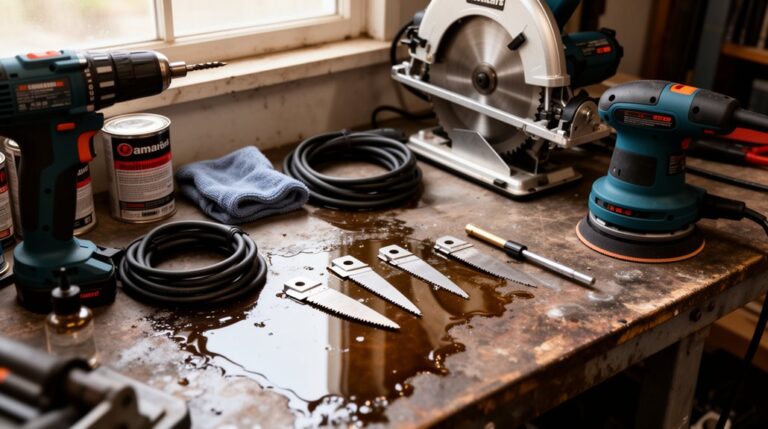

You should always wear the right safety gear when using power tools to protect your eyes, ears, lungs, hands, and skin. Start with ANSI-rated eye protection to block chips and splashes, plus a face shield for extra coverage. Use hearing protection and dust control to guard against noise and inhalation. Slip on snug gloves for grip and cut resistance, and wear a mask with clean filters. Keep skin hydrated and covered; with proper gear, you’ll stay safer and more productive—there’s more to learn.
Key Takeaways
- Wear ANSI-rated eye protection (safety glasses or goggles) to prevent flying chips, sparks, and splashes.
- Use hearing protection and dust control measures to guard against noise and inhalation hazards.
- Choose appropriate gloves and ensure a snug fit to protect hands while maintaining dexterity.
- Wear a mask with proper fit and filters, plus skin care to maintain barrier protection during breaks.
- Maintain a full PPE routine: replace damaged gear, seal gear properly, and store it clean and ready for use.
Why Safety Gear Matters for Power Tools
Personal safety should be your top priority when you work with power tools. You rely on proper safety gear because it directly reduces risk and protects critical organs. Safety training teaches you how to recognize hazards, choose the right equipment, and follow procedures that minimize exposure to harm. With conscientious practice, you’ll sidestep common mistakes that cause injuries and costly downtime. Accident prevention isn’t luck; it’s a deliberate sequence of steps, from inspecting tools to maintaining clean workspaces. You should commit to donning appropriate gear, understanding its limits, and updating routines as tools or tasks change. When you prioritize preparation, you stay productive and safer. Remember, consistent safety training reinforces smart choices, while deliberate accident prevention keeps incidents from becoming stories you tell later.
Eye Protection for Power Tools: What to Wear
Eye protection is a nonnegotiable part of using power tools. When you choose protective eyewear, you prioritize eye safety and reduce the risk of injury from flying chips, sparks, and splashes. Opt for ANSI-rated safety glasses or goggles designed for impact resistance, not fashion. Goggles provide full seal against debris, while wraparound glasses protect from side splashes. Make sure lenses are scratch-resistant and sized to fit over prescription eyewear if needed. Use side shields or foam seals for better containment. Replace anything cracked or scratched; never wear damaged gear. Comfort matters, so pick a lightweight frame with a secure, non-slip strap. If you work with grinding or cutting, add face shield over eyewear for extra protection. Eye safety depends on consistent, proper use.
Hearing Protection and Dust Control for Power Work
Do you know how loud power tools can be and why dust exposure matters? Hearing protection helps prevent long‑term hearing loss from sustained noise, while dust control keeps particles from irritating lungs and eyes. Choose earplugs or earmuffs rated for the tool’s decibel level, and wear them consistently, especially during extended sessions. For dust, use a dust extraction system or a high‑quality respirator when appropriate, and seal off the work area to minimize dispersion. Keep filters clean and replace them on schedule to maintain effectiveness. Combine approaches: wear hearing protection plus a respirator when cutting or sanding dense material. Maintain good ventilation, wipe surfaces, and avoid re‑entering dusty zones. These steps reduce immediate discomfort and long‑term risk, promoting safer, cleaner work.
Gloves That Fit: Hand Protection and Comfort

Gloves that fit aren’t just about comfort—they’re a critical line of defense against cuts, abrasions, and vibration. You’ll want a secure, snug fit that lets you sense your tool without sacrificing dexterity. Check for proper hand fit by trying different sizes and widths, guaranteeing the glove sits smoothly over fingers and palm without pinching. Look for flexible materials with reinforced fingertips for durability, and breathable fabrics to reduce sweat that can cause slipping. Assure cuffs seal well around wrists to keep debris out, while not restricting movement. Glove comfort matters because discomfort leads to shifts in grip and slower work. Choose gloves designed for your task, and replace worn pairs promptly to maintain consistent protection. Hand fit supports safer, more precise operation.
Masks and Skin Care for Tool Use
You’ll stay safer by keeping masks clean and dry, and by changing them as recommended to prevent buildup and contamination. Practice good mask hygiene, including proper storage and disposal, to protect your breathing and reduce exposure to dust and fumes. Also, protect your skin during tooling by applying a simple skincare routine and cleaning your face after use to minimize irritation and breakouts.
Mask Hygiene Practices
Mask hygiene is essential when using power tools to protect your lungs and skin from dust, fumes, and irritants. You should inspect masks before each use, choosing tight-fitting respirators or disposable respirators appropriate for the tasks at hand. Confirm straps sit flat, seals stay clean, and filter cartridges are nonexpired and compatible with the contaminants present. When you remove a mask, do so from the straps, not the front, and wash your hands afterward to prevent transfer of dust to eyes or skin. Store PPE in a clean, dry location and replace filters as recommended by the manufacturer. Keep respiratory health in focus by avoiding extended wear beyond comfort, and never reuse disposable masks beyond their rated lifespan. Mask hygiene supports consistent safety and tighter protection.
Skin Care While Tooling
Protecting your skin matters just as much as protecting your lungs when you’re using power tools. You’ll keep skin hydrated and the barrier strong by adopting simple steps during runs and breaks.
1) Prioritize skin hydration: sip water, use a lightweight moisturizer after washing hands, and avoid harsh soaps that strip oils.
2) Maintain the skin barrier: apply a protective balm before long sessions and after exposure to dust, solvents, or grinding debris.
3) Mask care matters: choose masks that fit well and have breathable fabrics to prevent sweat buildup on the face.
4) Break hygiene: wash, refresh, and reapply skincare quickly during tool changes to prevent irritation and keep comfort high.
Choosing Gear by Tool and Task: A Quick Framework
To choose gear effectively, you match PPE to the tool you’re using and the task you’re tackling. Start with Tool-Specific PPE Choices, then apply the Task-Centric Gear Framework to prioritize protection where risk is highest. This quick framework keeps you covered without overpacking gear, so you stay safe and productive.
Tool-Specific PPE Choices
When choosing PPE, the right gear starts with the tool and task at hand: a circular saw demands different eye, face, and hand protection than a drill or sander. You select gear by tool type, focusing on protection that matches the risk, not just popularity. Personal protective equipment should fit you well and stay comfortable to protect long hours on the job. Ergonomic safety matters, too, so choose lighter, well-balanced options to reduce fatigue.
- Eye protection tailored to flying debris and dust
- Face shields or masks when splash or chips are a risk
- Hand PPE that grips securely without compromising dexterity
- Hearing protection matched to tool noise levels
Task-Centric Gear Framework
A task-centric gear framework starts with the job at hand, then matches PPE to the specific tool and activity. You assess the task’s risk, choose the appropriate tool, then select gear that supports control, accuracy, and comfort. Prioritize sensor integration where available to monitor posture, grip strength, and tool vibration in real time, guiding adjustments before fatigue or injury grows. Align PPE with the task’s hazards: eye protection near cutting, hearing protection for high-decibel tools, and gloves that enable tactile feedback without restricting grip. Favor ergonomic design to reduce strain and improve precision across repetitions. Keep the framework dynamic: re-evaluate gear as tasks evolve, tools change, or new safety tech enters the workflow. This approach minimizes exposure, enhances control, and sustains productivity over time.
Frequently Asked Questions
Are There Age-Specific Safety Gear Requirements for Power Tools?
There aren’t universal age-specific safety gear rules, but you should tailor aims to age appropriate gear and supervise kids closely. Child safety depends on maturity; use age-appropriate PPE, sized gear, and clear limits for each task.
How Do Temperature and Humidity Affect PPE Effectiveness?
Consider a hypothetical case: humidity rots gloves faster, reducing grip. Climate impact means heat and sweat degrade PPE durability, making gear less protective. You’ll notice poorer seal, increased fatigue, and you must inspect PPE regularly.
Can PPE Hinder Tool Control or Maneuverability?
PPE can hinder tool control if it doesn’t fit well or feels uncomfortable. Make sure proper PPE fit and PPE comfort, adjust gear as needed, and practice movements to maintain precision while you work with power tools.
Do PPE Standards Vary by Country or Industry?
Yes, PPE standards vary by country and industry. You’ll face global safety regulations plus industry specific standards, so you must tailor your gear to both locale and sector while prioritizing practical, protective, compliant choices.
How Often Should PPE Be Replaced After Impact or Exposure?
PPE should be replaced after impact or exposure to compromise—don’t reuse compromised gear. Regular impact inspection is essential; replace if damaged or durability is affected. PPE durability varies, but inspect and replace promptly after any impact or suspected exposure.
Conclusion
You’ve learned why safety gear matters and exactly what to wear for eye, ear, dust, hand, and skin protection. When you pick gear, match it to your tool and task, and keep it comfortable and well-fitted. Stay mindful, stay protected, and keep the workflow smooth. Ready to gear up before you cut, grind, or drill? The right gear isn’t a hassle—it’s your fastest route to safer, more confident work.
About the Author